Food Distribution
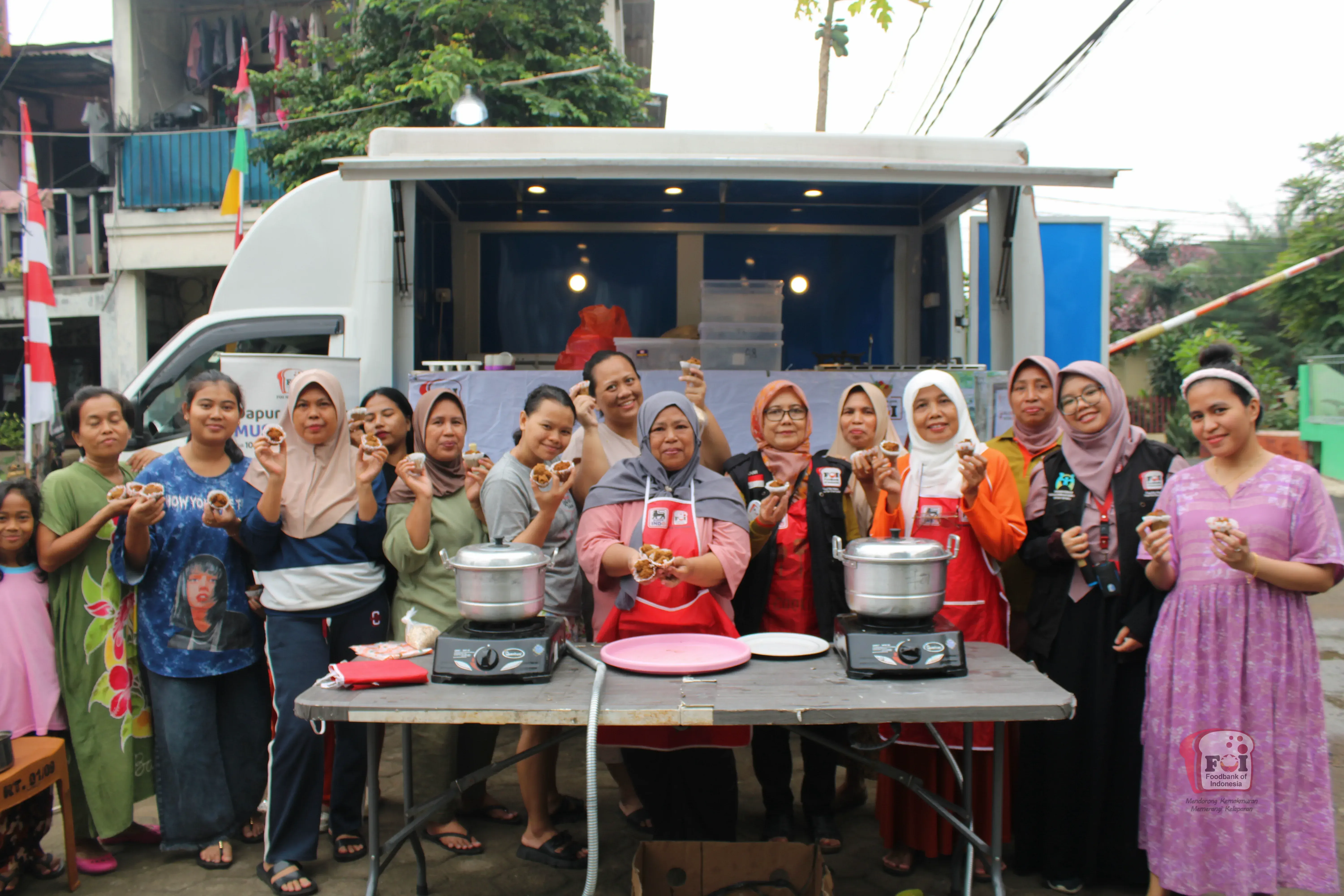
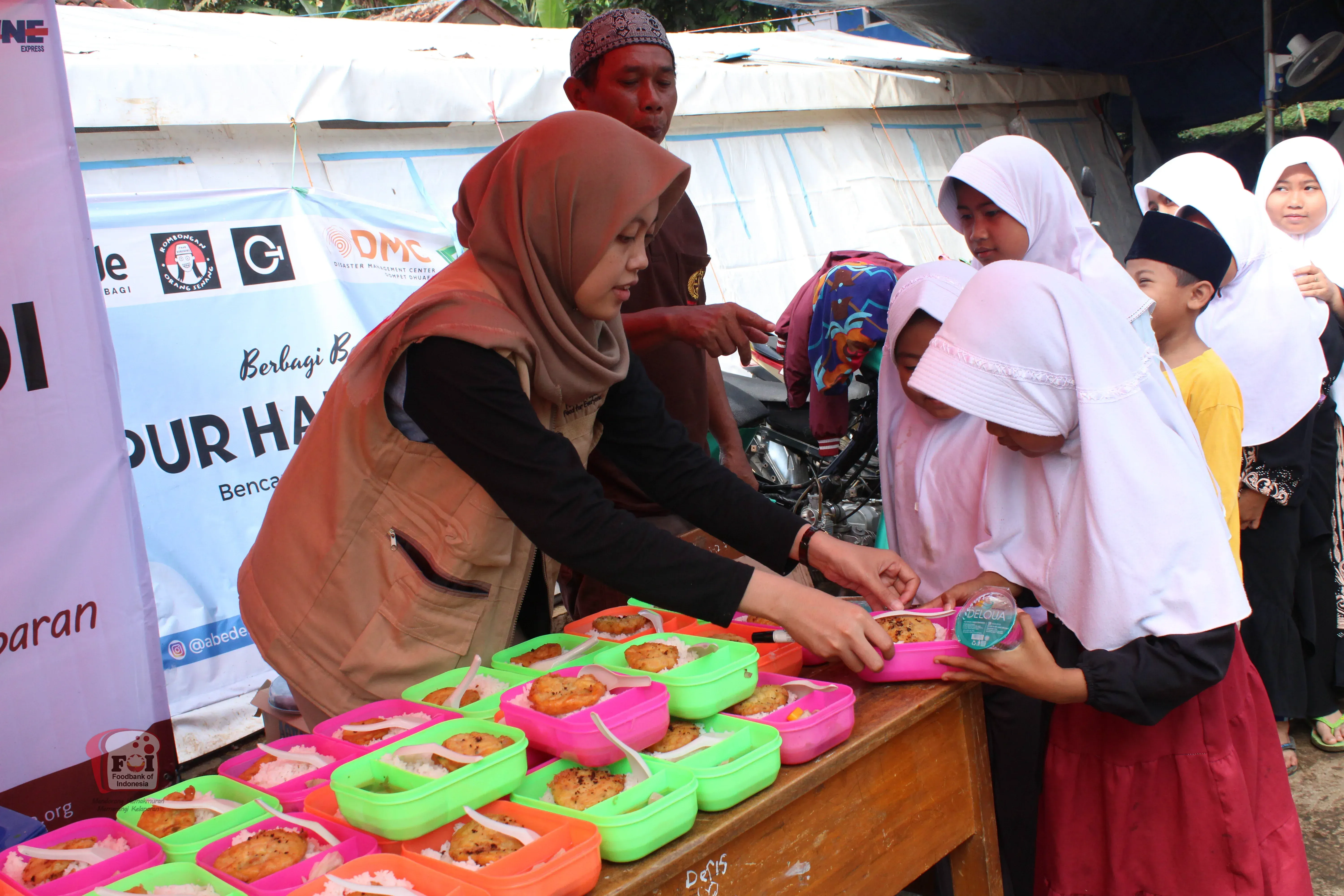
Channelling food aid to vulnerable communities, remote areas, social institutions, partner communities, and regions affected by emergencies.
Foodbank of Indonesia
Big change is born from small steps taken together. Through donation, partnership, and collaboration, everyone can become part of a tangible movement of sharing.
Choose how you want to move forward together with Foodbank of Indonesia to realise fair and sustainable food access.
Get Involved
Your support helps bring better food access to the communities that need it most. Every contribution is part of a sustainable movement of sharing and social care.
Managed by Yayasan Lumbung Pangan Indonesia, recorded and reported transparently.

Account Name Yayasan Lumbung Pangan Indonesia
 BCA 2193004156
  Mandiri 1260006996440
 Channel support in the form of foodstuffs, edible meals, or other staple needs to be distributed to communities in need.
Contact our team to coordinate your food donation.
Collaboration
We believe big change is born from collaboration. Foodbank of Indonesia opens opportunities to work together with companies, communities, institutions, and individuals to create wider social impact.
Long-term program collaboration to expand our shared reach and social impact.
Realise corporate social responsibility through food programs with tangible impact for communities.
Collaborate on social campaigns to mobilise broader public awareness and care.
Engage your team and community as volunteers in FOI's humanitarian action.
Strengthen the movement through media support and community networks for wider impact.
Let's build impactful collaboration together!
Real Footprint
Every contribution made through Foodbank of Indonesia becomes part of a concrete step in widening food access, helping communities in need, and building sustainable social care.
Through collaboration with donors, partners, volunteers, and communities, our humanitarian programs can reach more regions and deliver direct benefit to society.
Contribution
Channelling food aid to vulnerable communities, remote areas, social institutions, partner communities, and regions affected by emergencies.
Working with various companies, communities, institutions, and volunteers to expand more sustainable social impact.
Impact
Every contribution channelled brings tangible benefit felt directly by communities.
The contributions given help communities gain access to decent and nutritious food.
The aid distributed becomes real support for families and communities in need.
Using food more wisely helps reduce potential food waste and increases its usefulness.
Encouraging the spirit of sharing, mutual cooperation, and collaboration to create positive change for society.
Accountability
Foodbank of Indonesia is committed to ensuring every contribution is managed responsibly and delivers sustainable benefit to communities.
With the support of many parties, we continue to build a social movement that is impactful, inclusive, and reaches more beneficiaries in the future.
Move With Us
Every bit of help, no matter how small, means a great deal to those in need. Together, we can bring hope, widen food access, and create a better future for the people of Indonesia.
Campaign
Foodbank of Indonesia's campaign movements invite the public to act together — from the family kitchen to the community granary — toward an Indonesia free from hunger.
GIM Mustikarasa
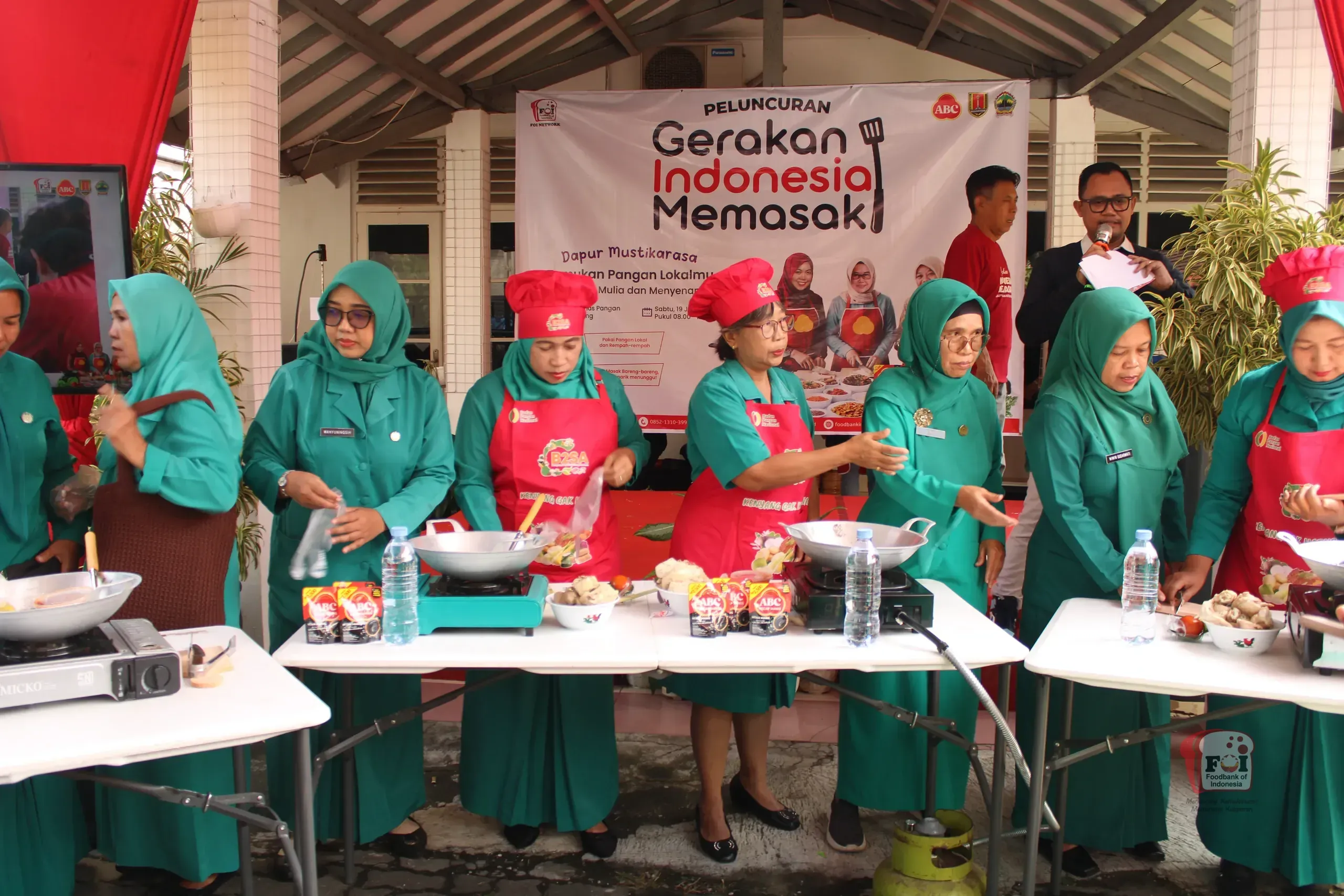
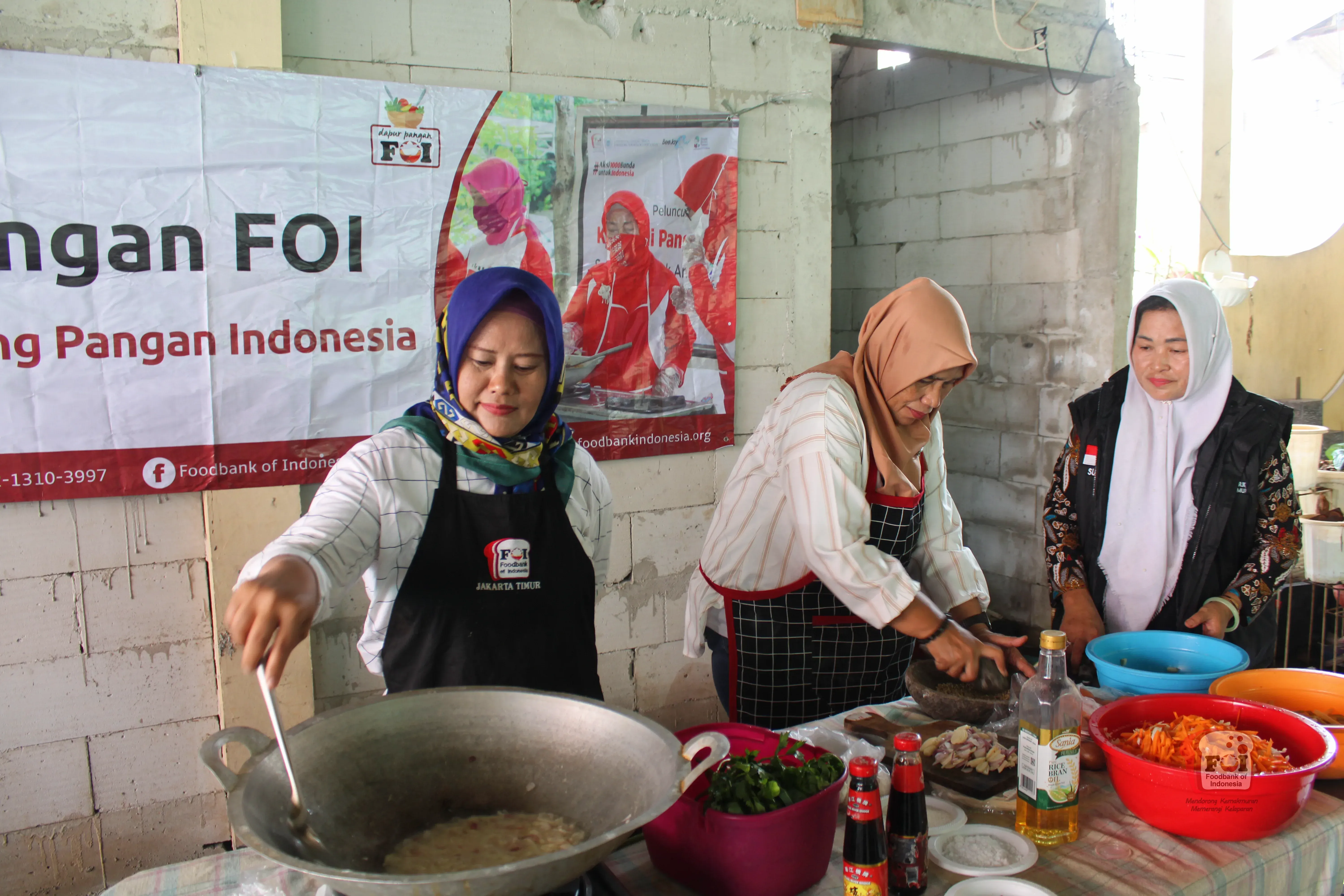
Indonesia's food culture is a priceless heritage that reflects the harmonious relationship between people, nature, community, and spiritual values. Every act of cooking holds local knowledge and cultural identity passed down through generations. Yet modernization and the industrialization of food have narrowed the diversity of local produce, pulling communities ever further from native ingredients and spices. In truth, Indonesia is home to more than 28,000 species of food plants, 9,600 of which are identified as medicinal plants.
As modern lifestyles shift and instant food products become ever more accessible, the culture of cooking is increasingly abandoned. The decline in the skill of cooking with local ingredients and native spices raises concern over the loss of local knowledge and the cultural identity embedded in cooking. For this reason, Foodbank of Indonesia sees an urgent need to revive the role of the family kitchen as a foundation and strategic point in building food sovereignty.
Through the Indonesia Cooking Movement (GIM) Mustikarasa, FOI invites communities to preserve the culture of cooking with local ingredients and spices, carrying three core missions: strengthening family food resilience; improving the welfare of farmers and food SMEs; and supporting Indonesia's food sovereignty by elevating flavor culture, cooking techniques, and local wisdom as the nation's identity.
Be a Hero
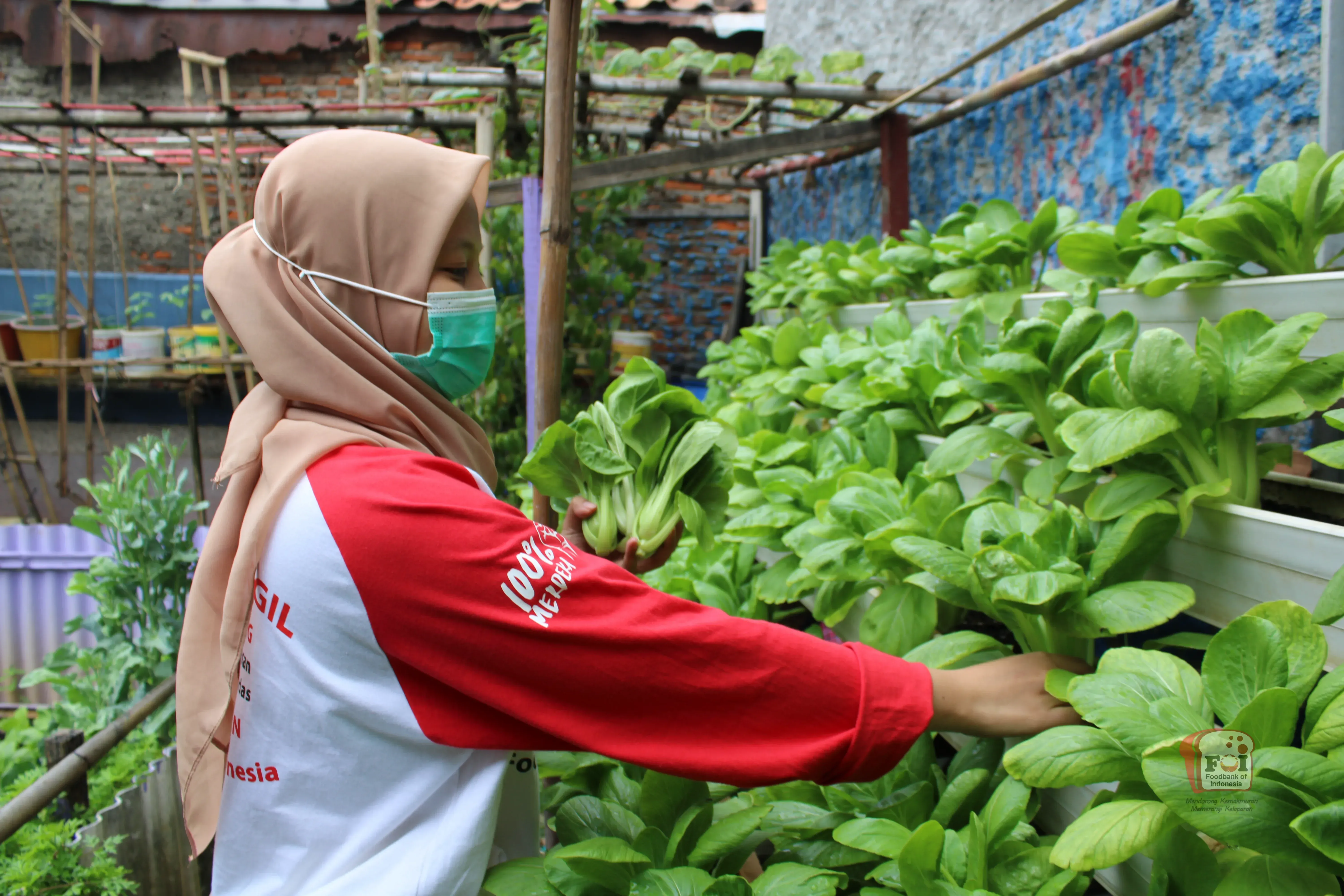
The world's food system accounts for 8–13% of global greenhouse gas emissions. Rotting food produces methane (CH₄), far more harmful than CO₂ in driving global warming. Meanwhile, 39% of food in Indonesia is still wasted — every uneaten meal helps accelerate climate change.
Every individual carries a responsibility for the food they grow, own, buy, cook, and eat. Awareness of food waste must grow from direct experience, where food is served and enjoyed.
Foodbank of Indonesia is committed to reducing food waste through education and collaborative action. The “Be a Hero: Finish It, or Share” campaign invites people to become heroes of the earth through simple actions in everyday life.
Food Granary
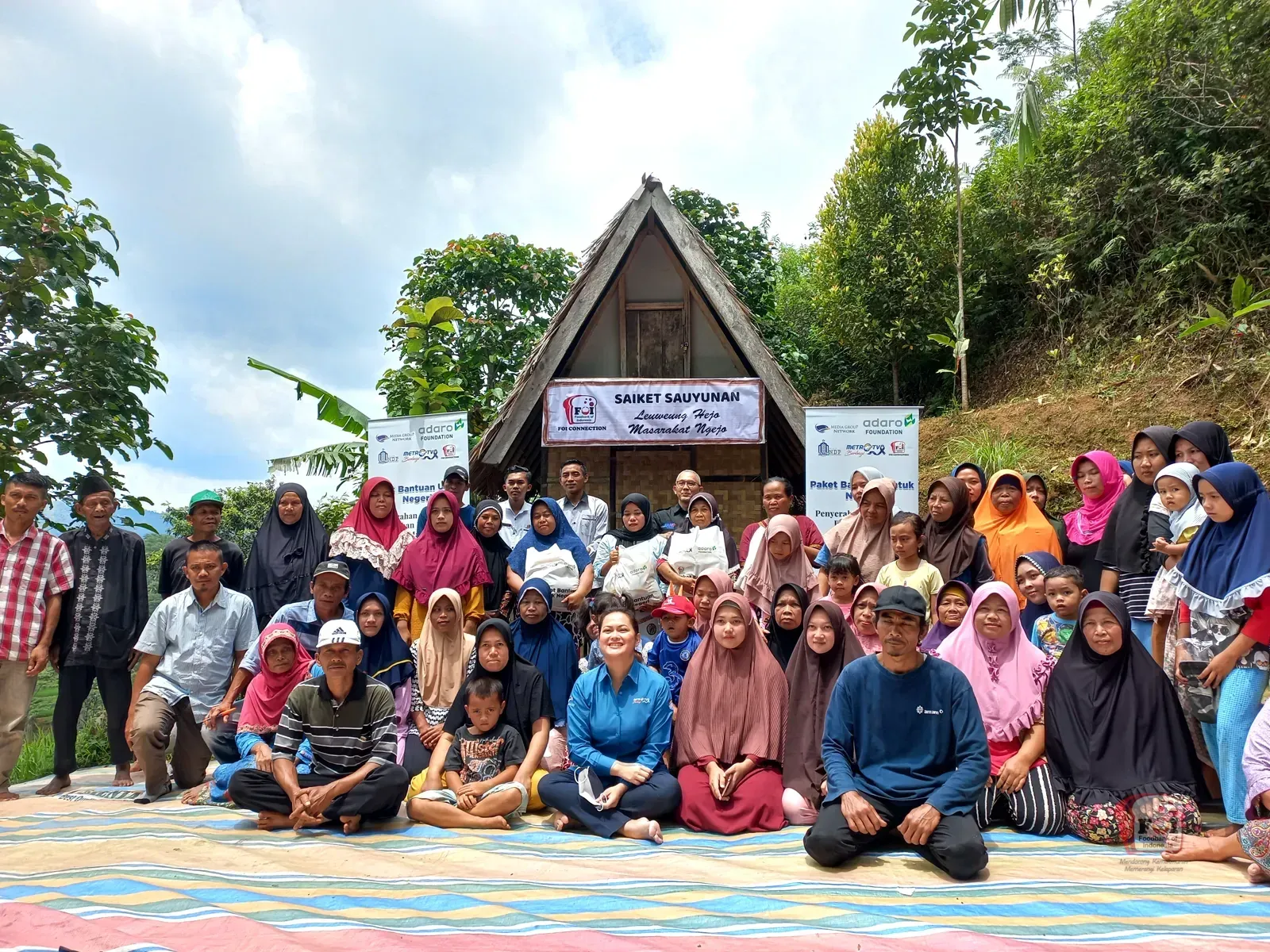
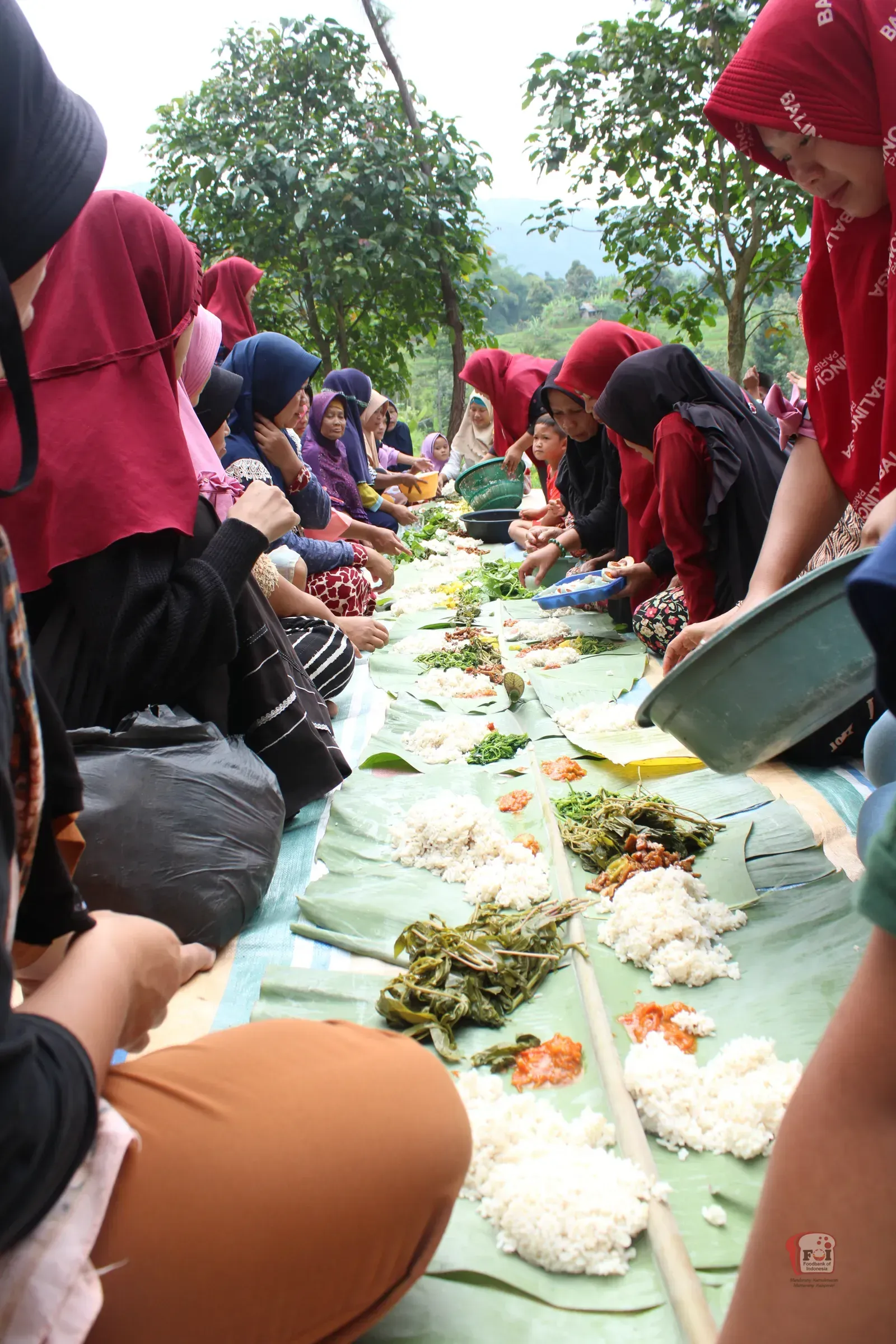
Indonesia faces a major challenge in the food and nutrition sector that no longer concerns only the availability of food, but also touches the future quality of the nation's generations. Modern conditions leave communities vulnerable to dependence on cheap, low-nutrition food, raising the risk of malnutrition and disruptions to children's growth and development.
Indonesia in fact holds a tradition of the food granary as a form of food sovereignty rooted in mutual cooperation, where communities set aside part of their harvest to face lean seasons, crop failures, and disasters. The village granary is not merely a place to store food, but a symbol of social solidarity and community resilience. Yet the modernization of agriculture, shifting consumption patterns, and dependence on external distribution have slowly caused it to fade.
For this reason, reviving the spirit of the food granary is not merely an effort to safeguard food reserves, but also to rebuild social solidarity, a culture of sharing, and community-based food sovereignty.