Our Programs
From the first thousand days of life to emergency disaster response, Foodbank of Indonesia's programs are present at every vulnerable point in a community's life. Each program is rooted in the same spirit: opening fair access to food, reviving local food, and empowering women and communities toward food independence.
Nutrition intervention for the First 1,000 Days of Life
Sayap Dari Ibu
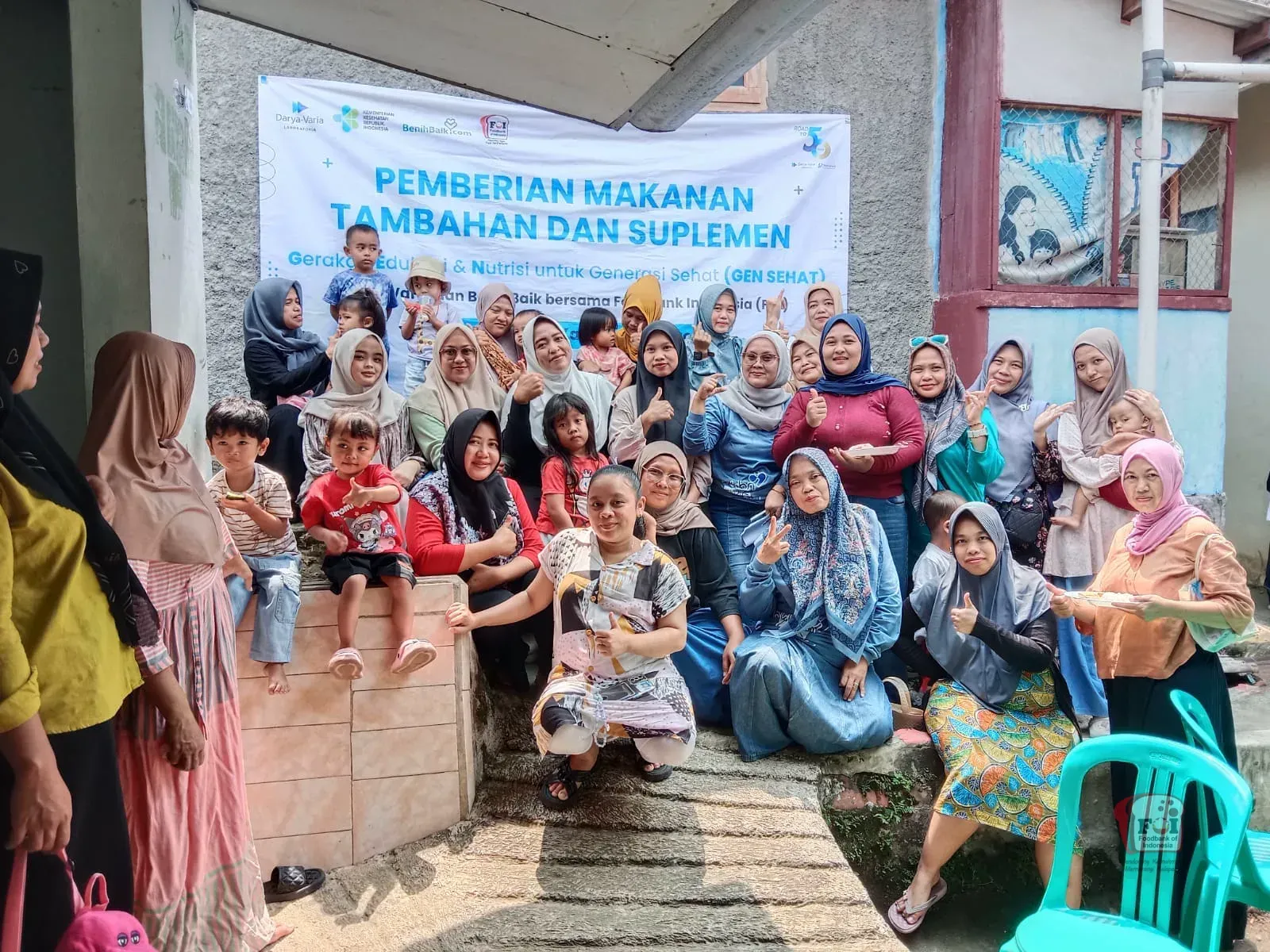
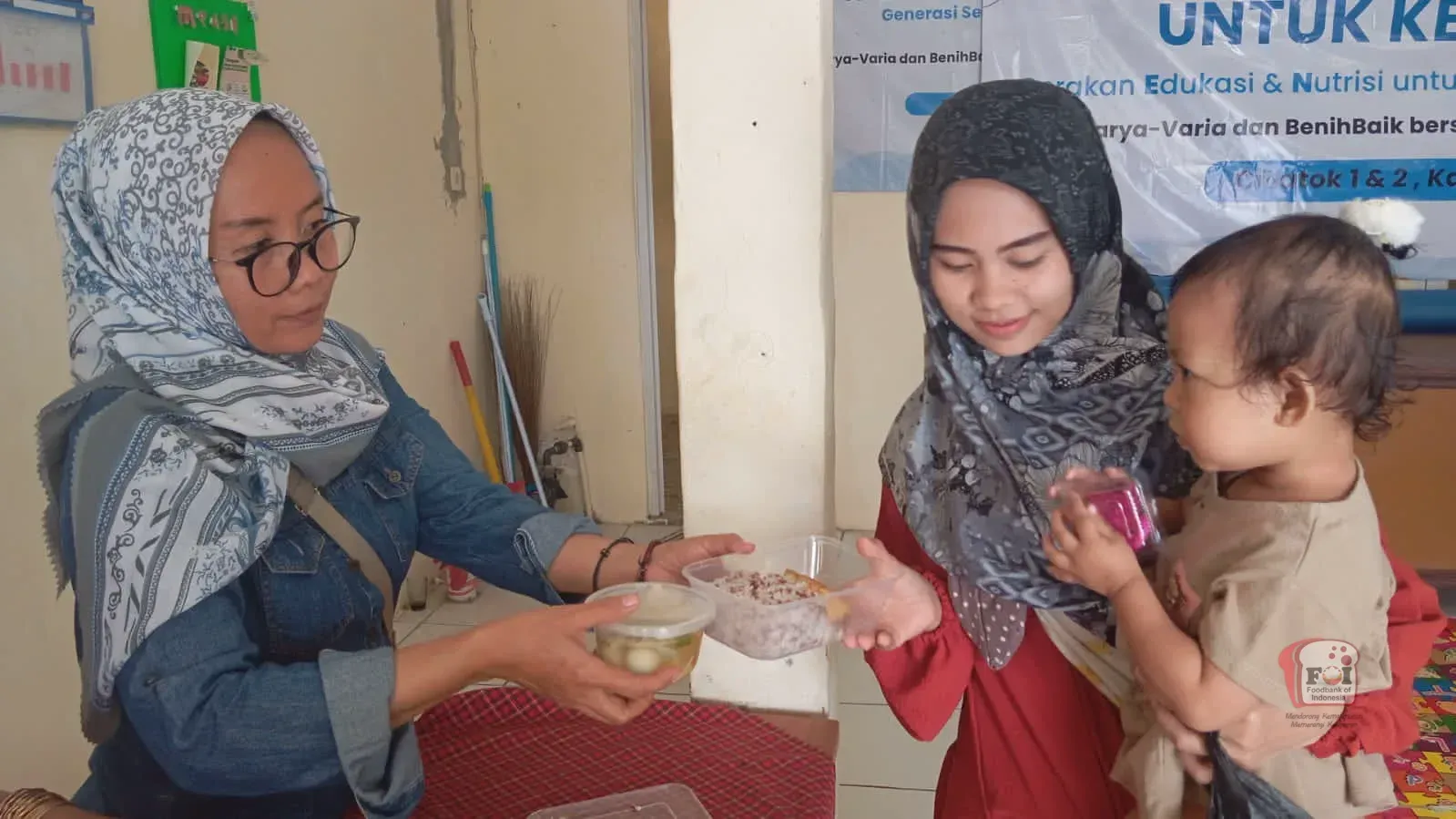
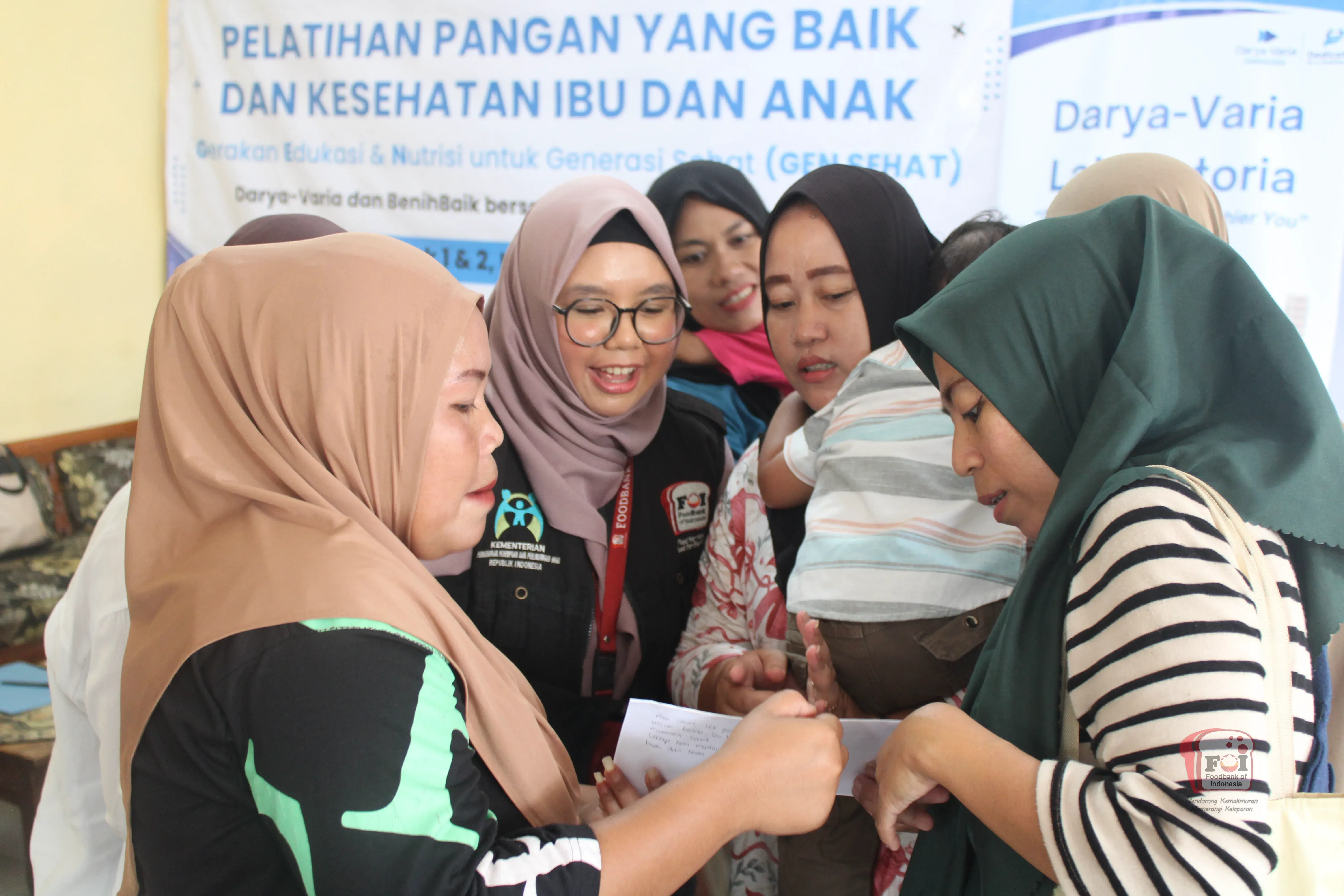
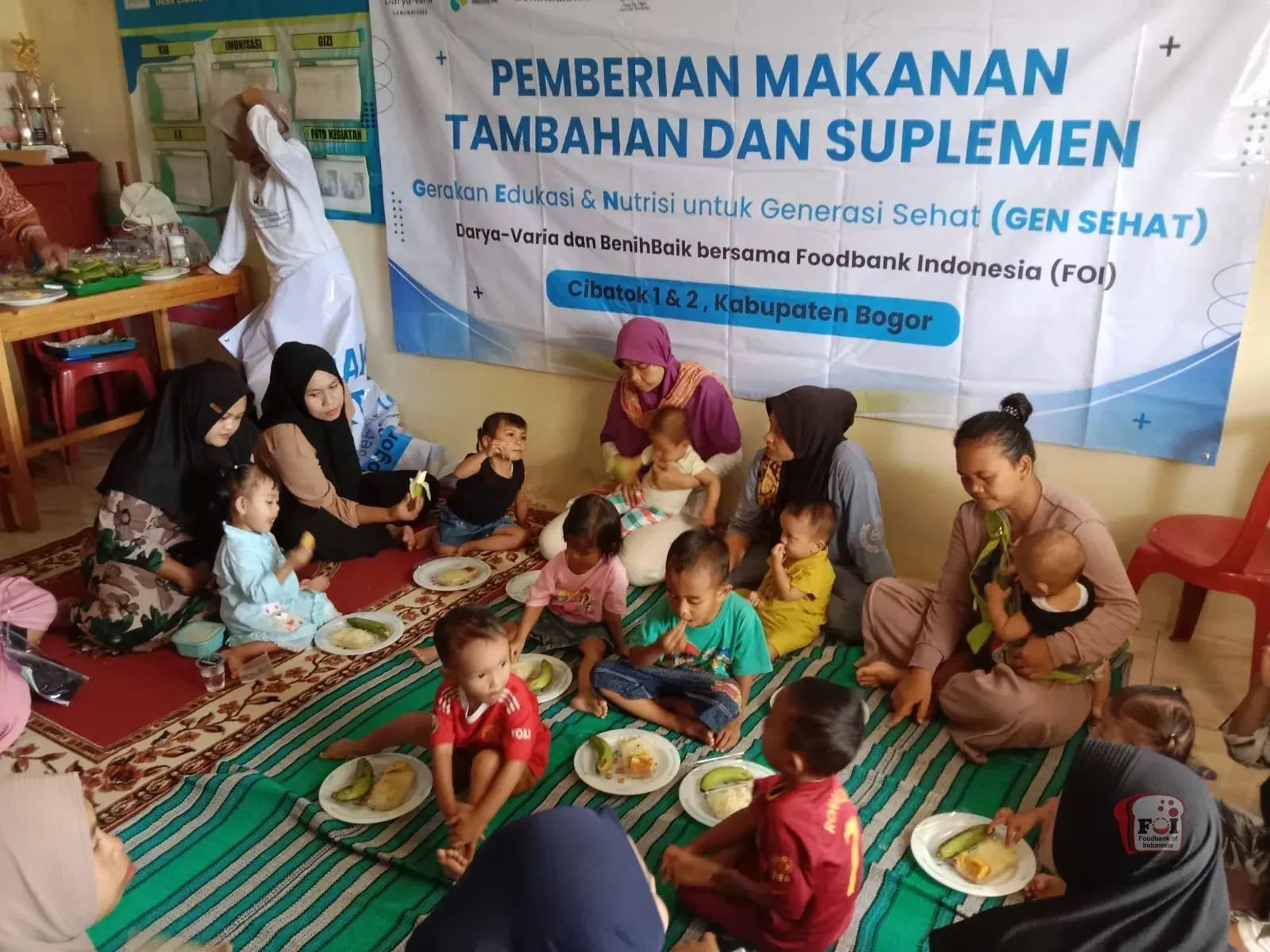
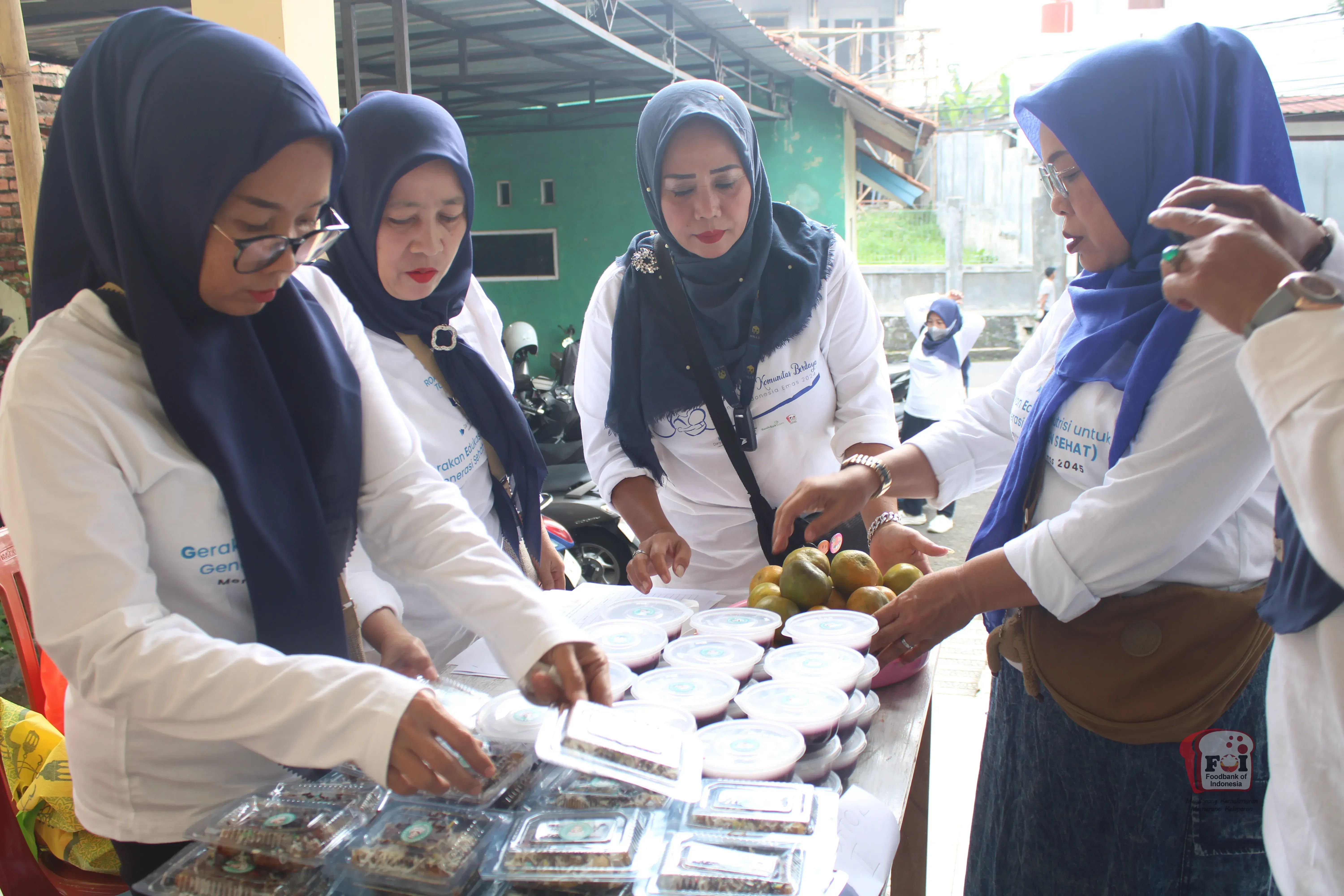
Since 2017, SADARI has supported 150 volunteers serving 520 toddlers as well as 80 expectant and breastfeeding mothers across 15 regions.
Meeting nutritional needs, especially in the first 1,000 days of life, is the first line of defence against stunting. This includes nutrition throughout pregnancy and childhood up to the age of two. The health of expectant mothers and children must also be maintained through a healthy lifestyle. Unfortunately, women from low-income families often face limited access to food, putting them at risk of malnutrition with long-term consequences.
In response to these challenges, Foodbank Indonesia launched Sayap Dari Ibu, a long-term nutrition intervention to support the nutritional needs of toddlers, expectant mothers, and breastfeeding mothers during this critical growth period. The goal is to reconnect families with the food sources around them, helping mothers and toddlers gain direct access to nutritious, healthy food that prioritises local resources.
Foodbank Indonesia collaborates with Posyandu (integrated health service posts) to provide supplementary food and parenting education for mothers and children through Sayap Dari Ibu (SADARI). Through a holistic approach, SADARI is a movement of cooking and sharing nutritious food — a platform for education sessions that raise awareness of healthy eating habits and parenting strategies. SADARI empowers women in the production, distribution, and processing of food within their communities. It also runs training for cadres and mothers in preparing healthy meals and sustainable home-gardening practices, so they can become more self-reliant in meeting their families' nutritional needs.
Community-based school feeding program
Mentari Bangsaku
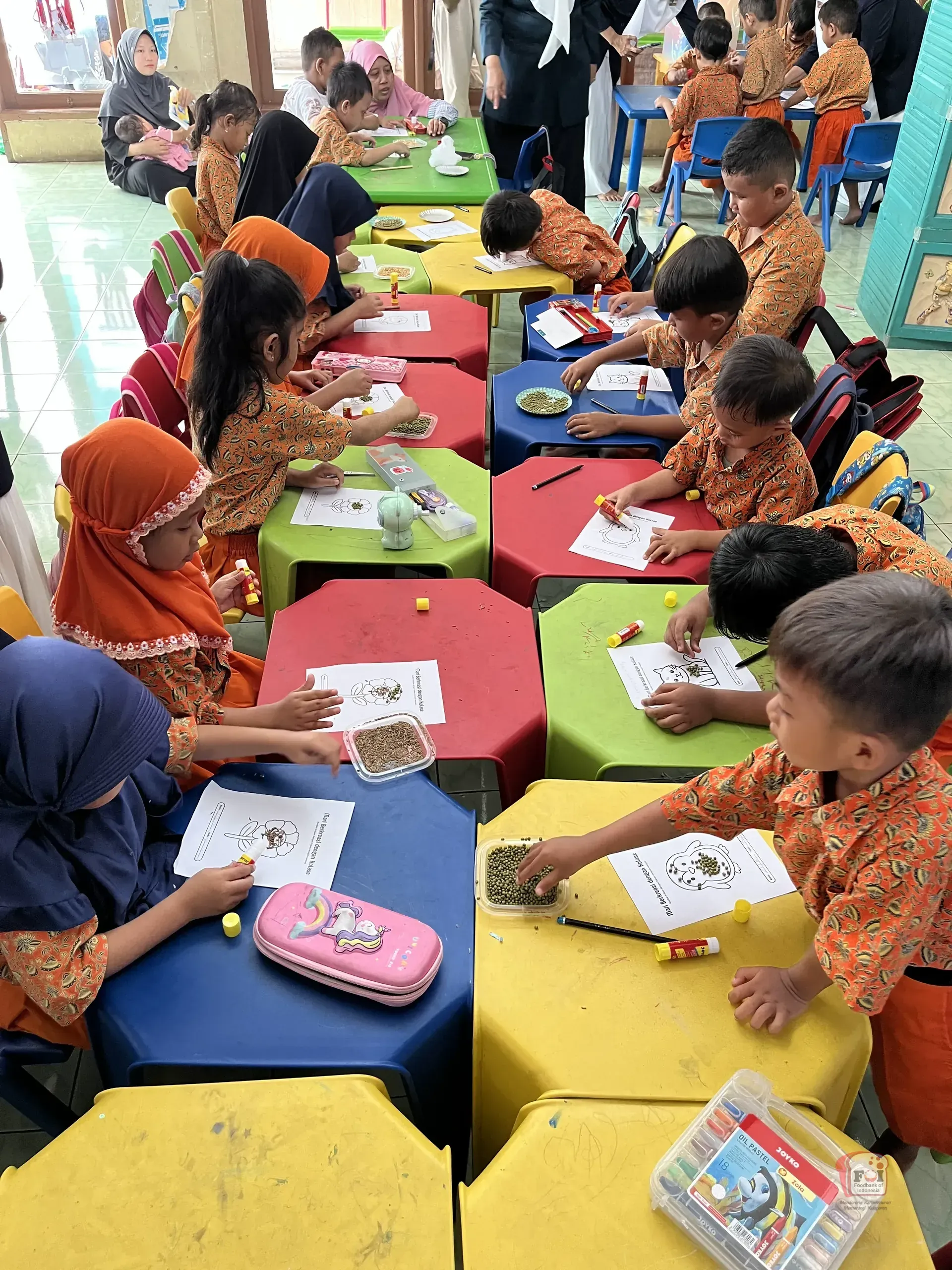
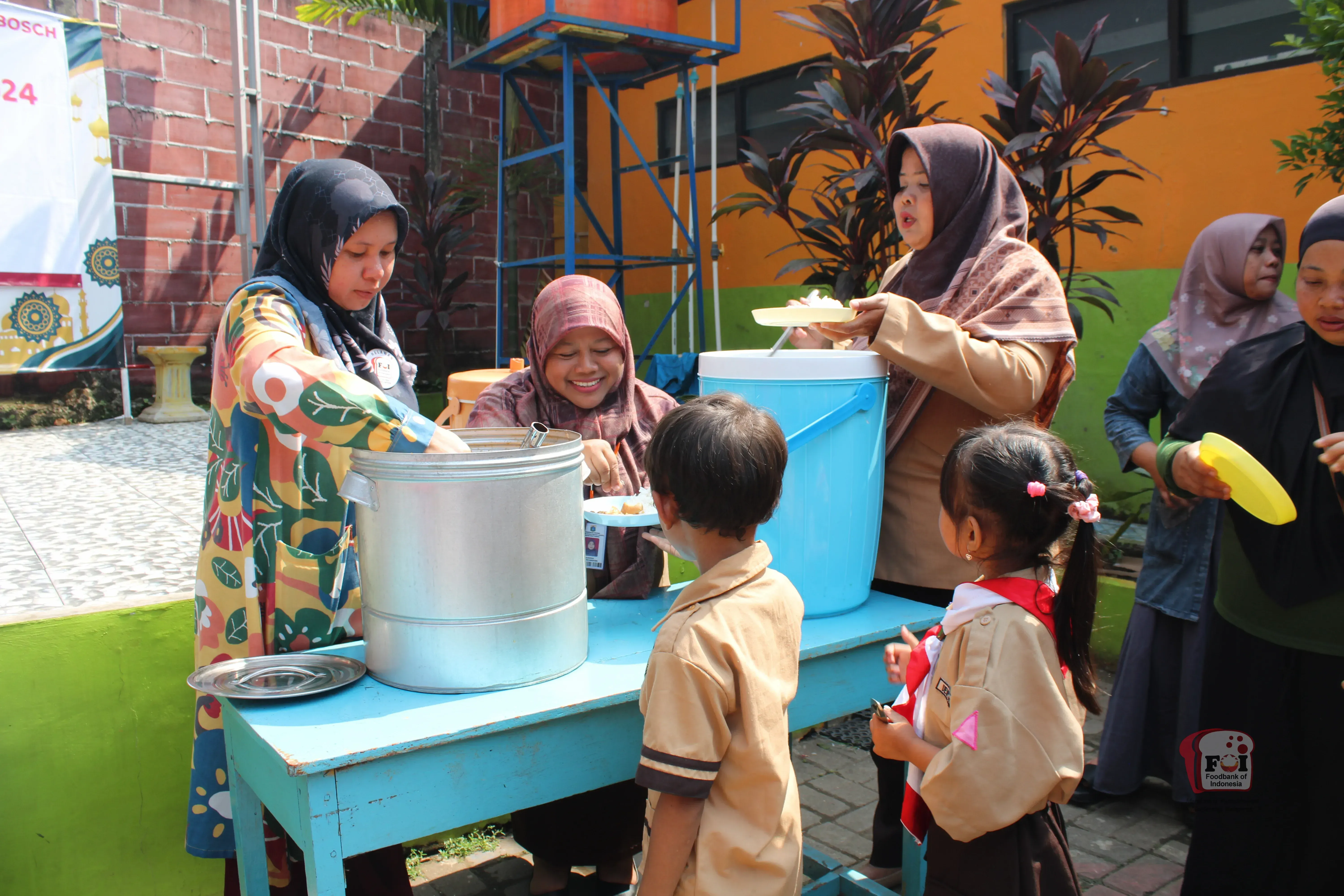
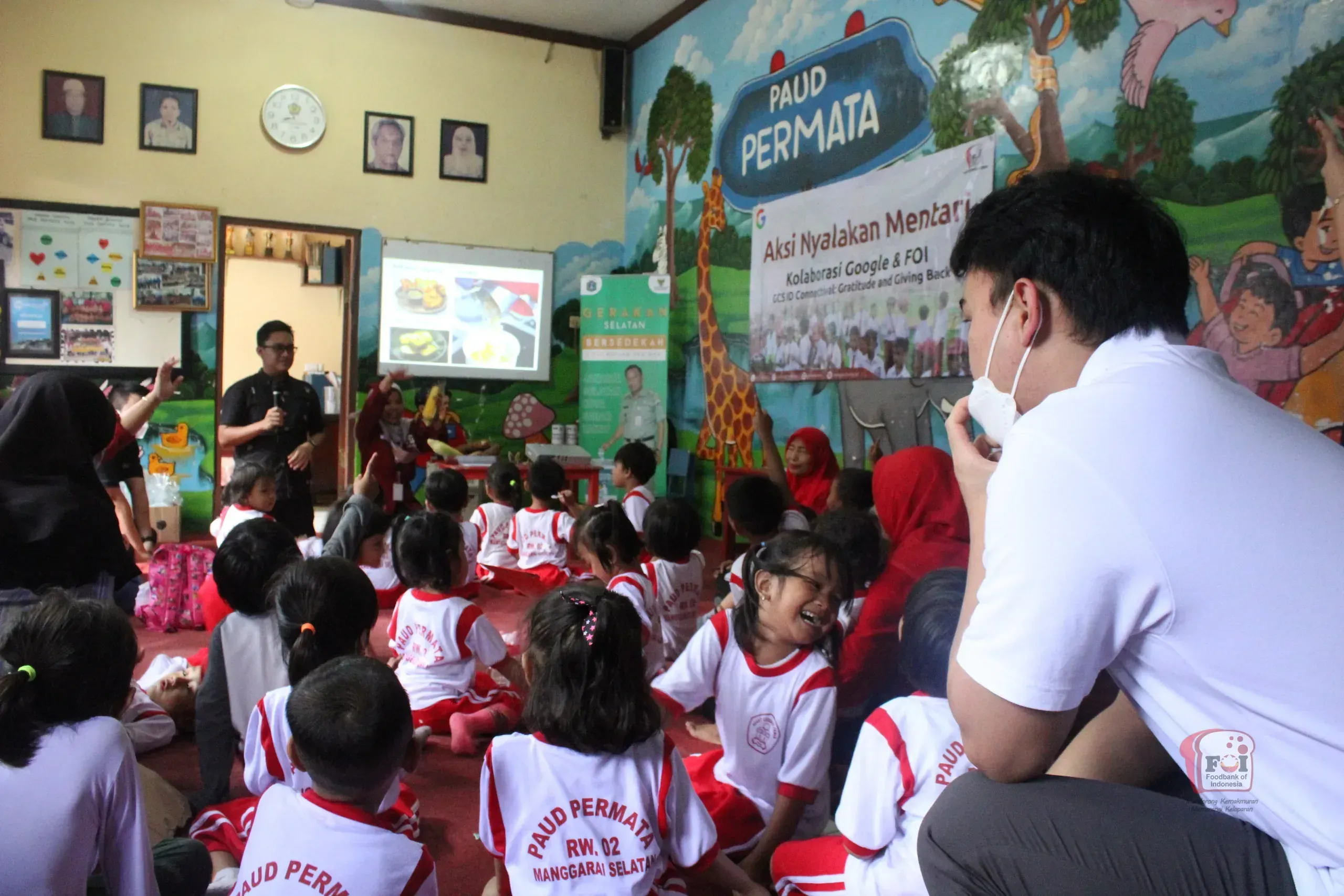
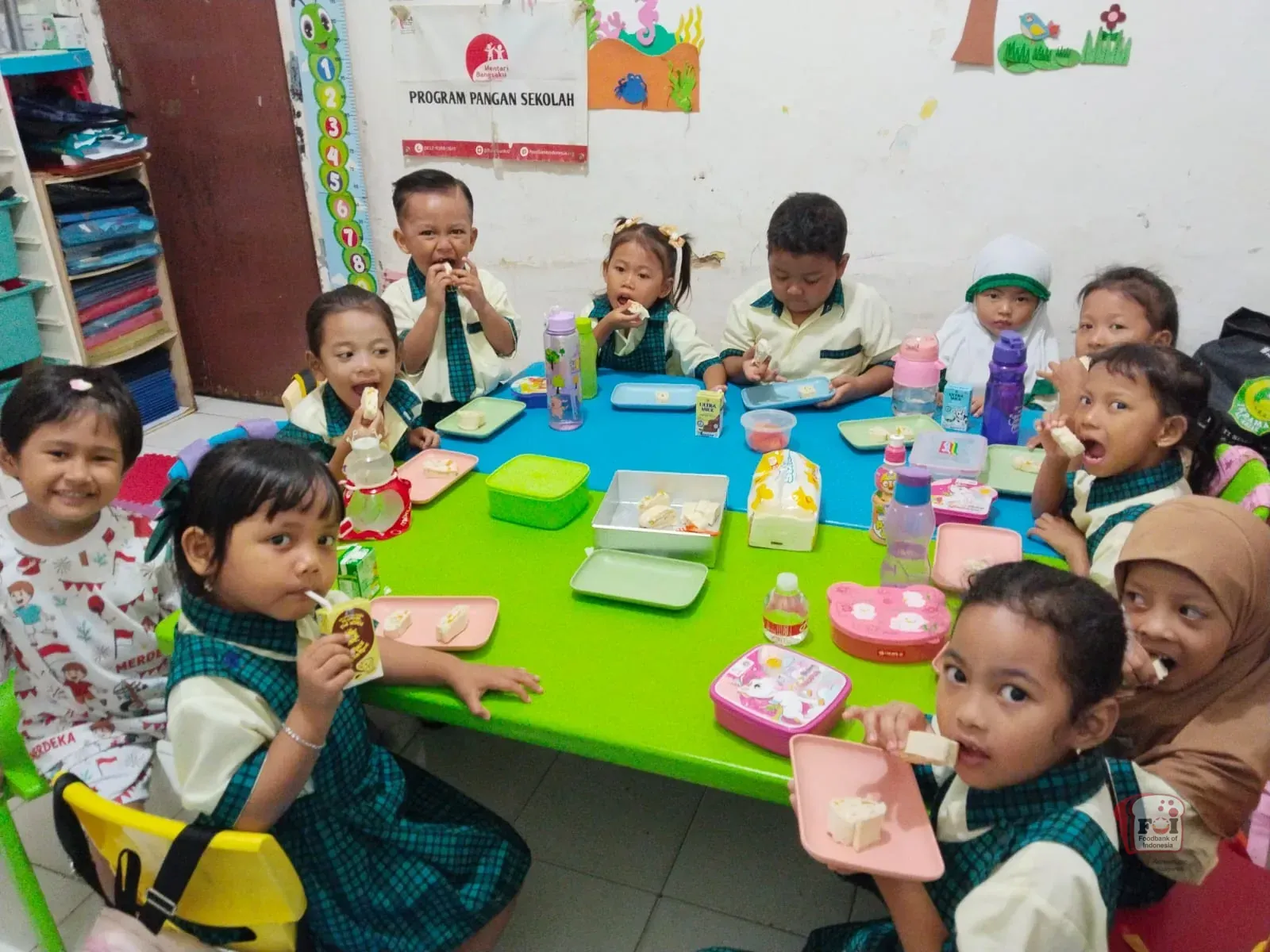
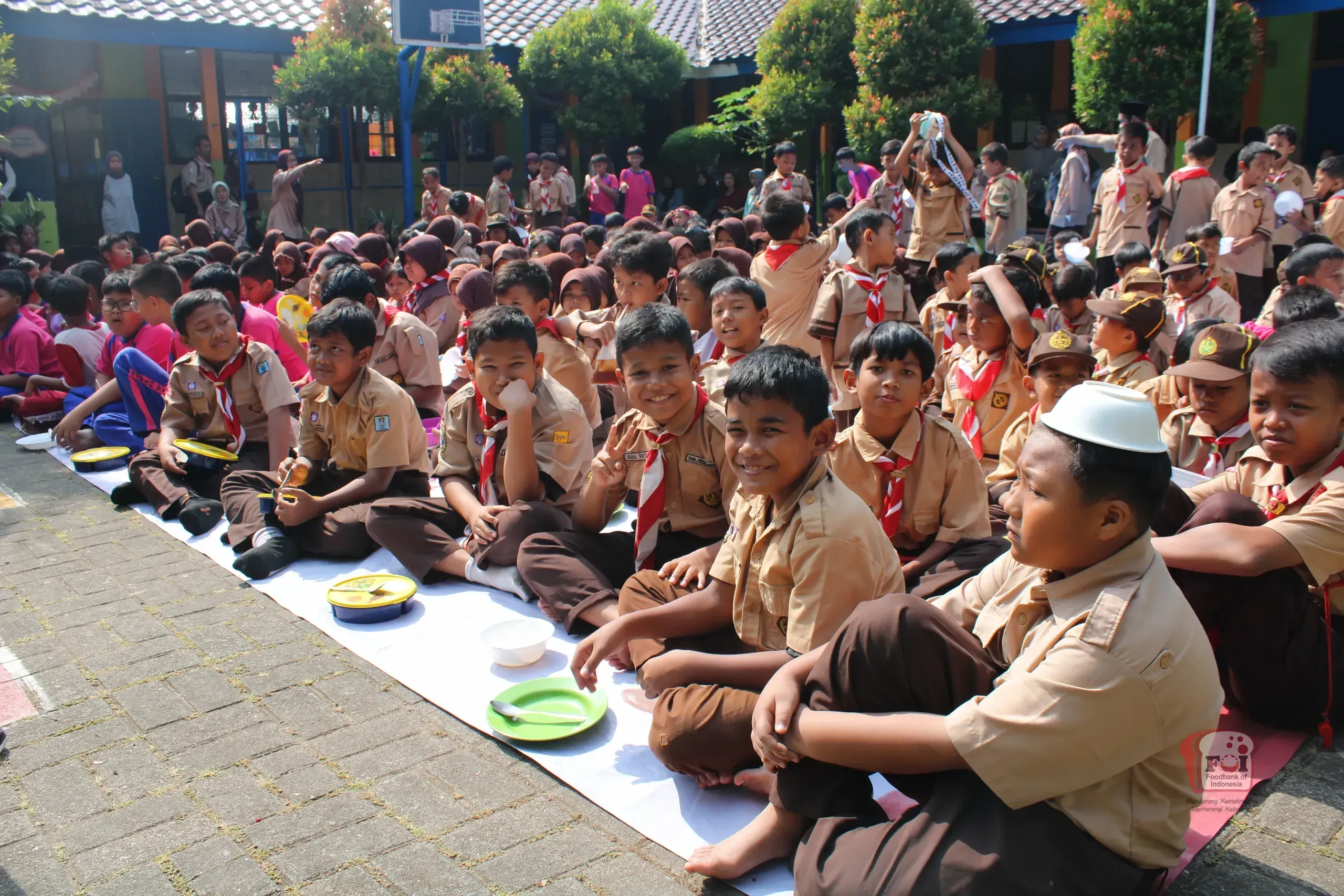
Mentari Bangsaku has partnered with 2,375 schools, reaching a total of 303,631 students.
In March 2024, FOI published a survey across 13 cities showing that 23.6% of preschool-aged children experience food insecurity. After breakfast, 44.2% of respondents felt their children's concentration improved during learning. Furthermore, 44% of respondents felt their children were more active and energetic after eating breakfast regularly.
Children's limited access to food stems from a scarcity that breeds unsustainability, worsened by a broken connection between children and their local food sources. Children increasingly prefer ultra-processed foods low in nutrition and show little interest in healthy, varied meals. Local food reflects the identity of a region and a nation. By using local food sourced from the surrounding community, children learn about the origins of the food we eat and how it can be prepared to be enjoyed and consumed every day.
To bring about this change, Foodbank Indonesia launched Mentari Bangsaku, which focuses on reducing hunger and improving children's learning through educational institutions. In the short term, providing meals ensures children can learn better without the barrier of hunger, allowing them to grow and learn optimally as they reach for their dreams. In the long term, children are introduced to diverse local foods, supporting them to grow up healthy with sufficient nutrition. Through our collaborative efforts with teachers and parents, we aim to help children build healthy eating habits and discover more kinds of food, especially local foods and spices.
This school feeding program strives to bring good food closer to children at school and to give every child an equal chance to become the nation's bright lights of the future.
Community kitchens that rescue and process food
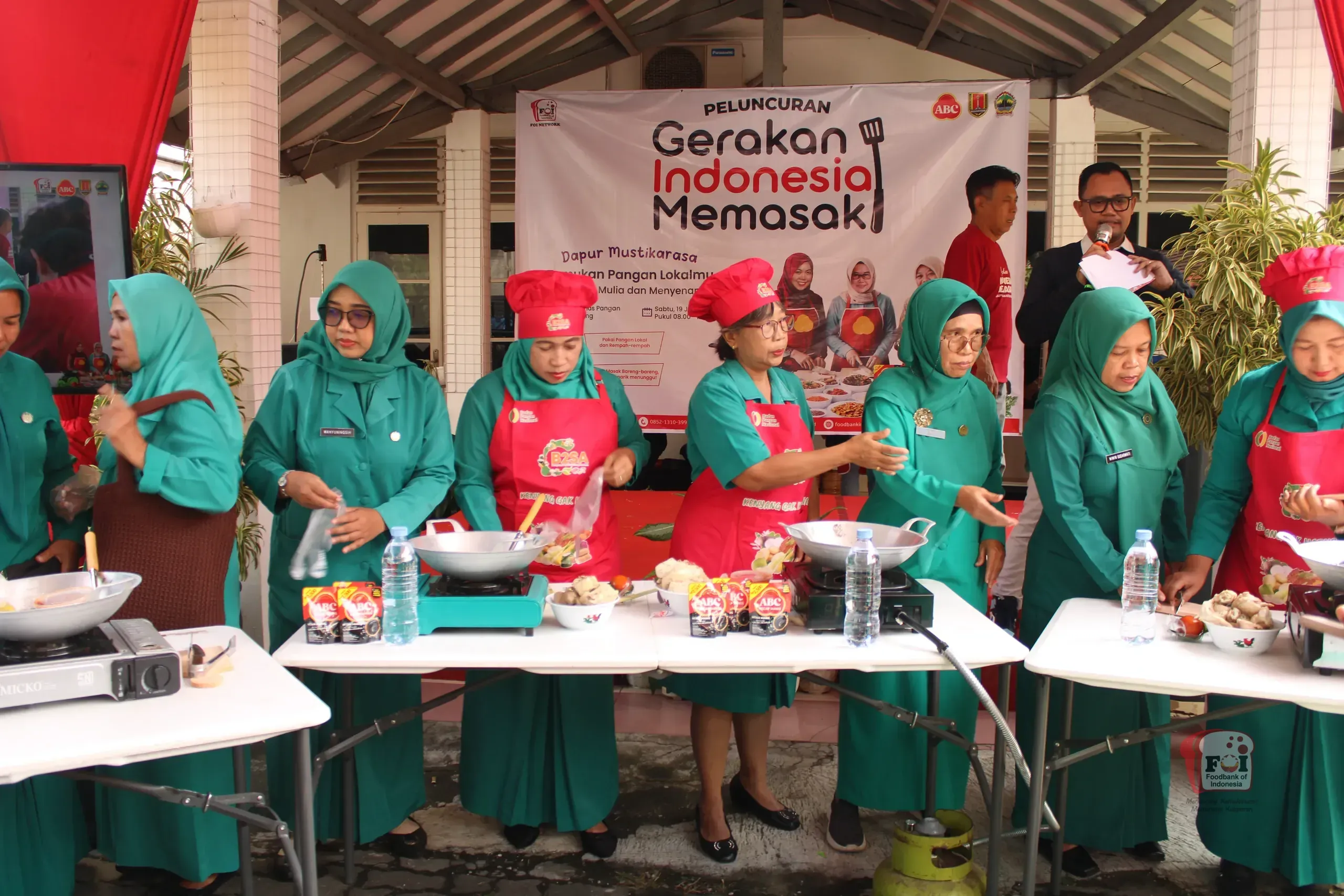
Dapur Pangan FOI
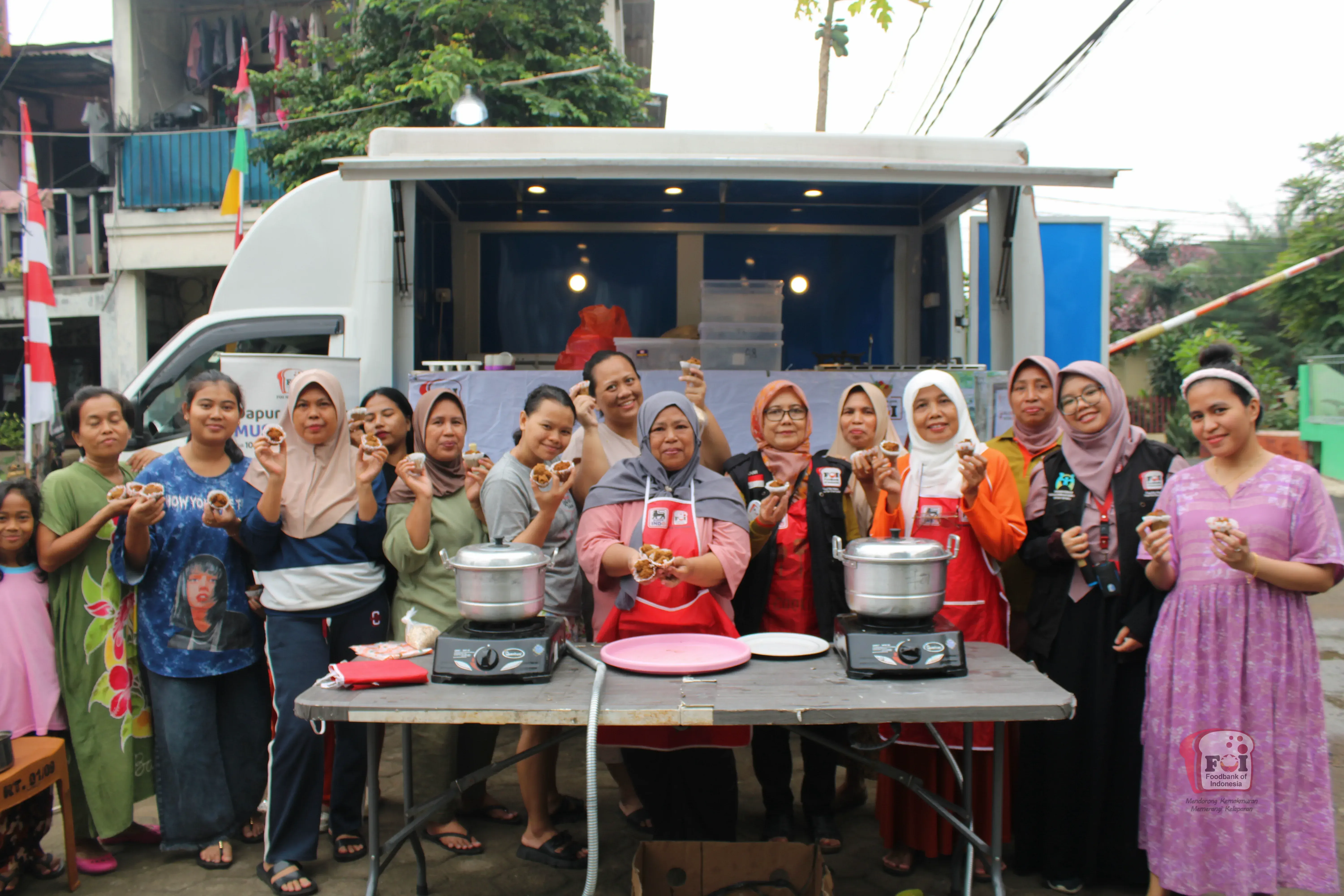
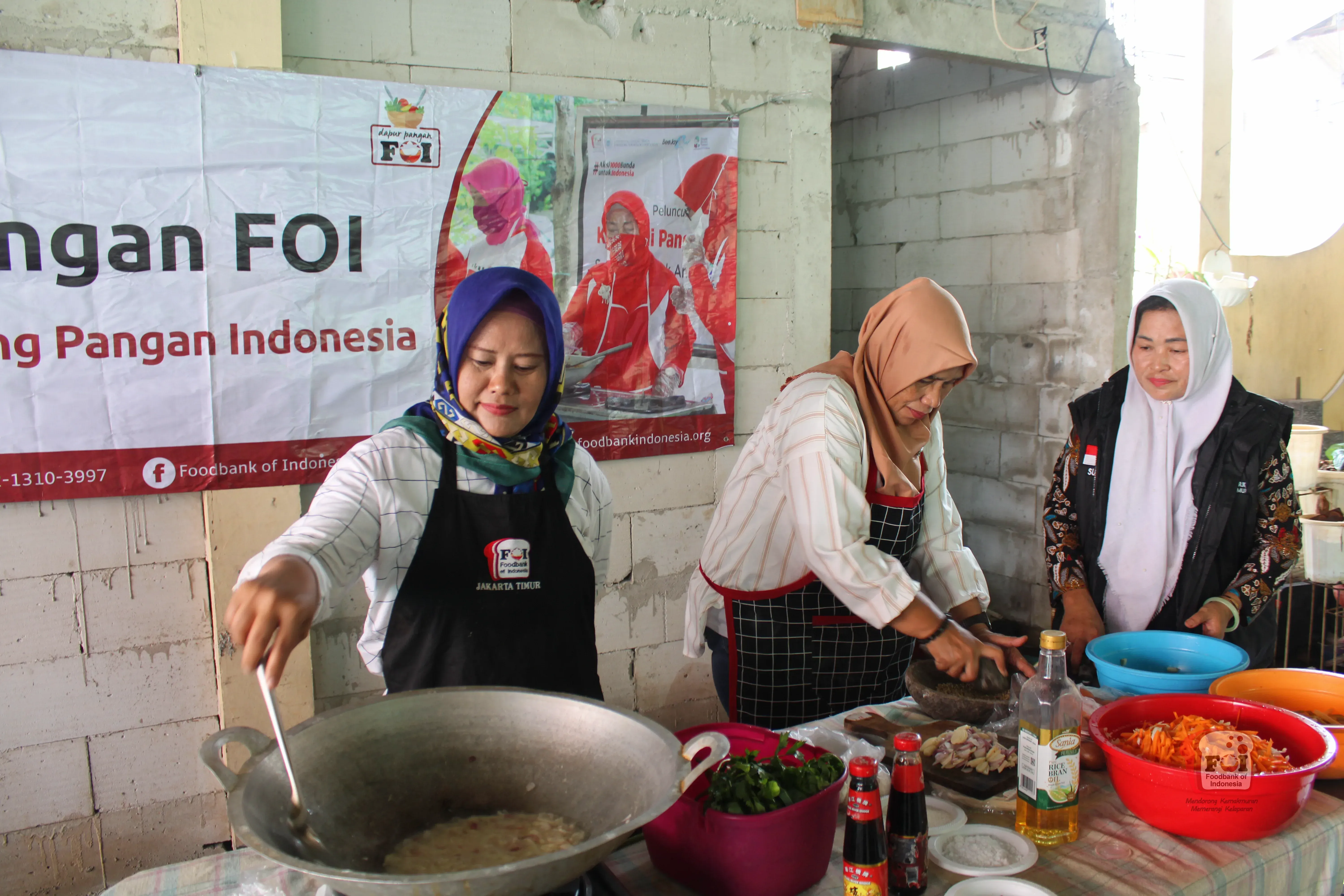
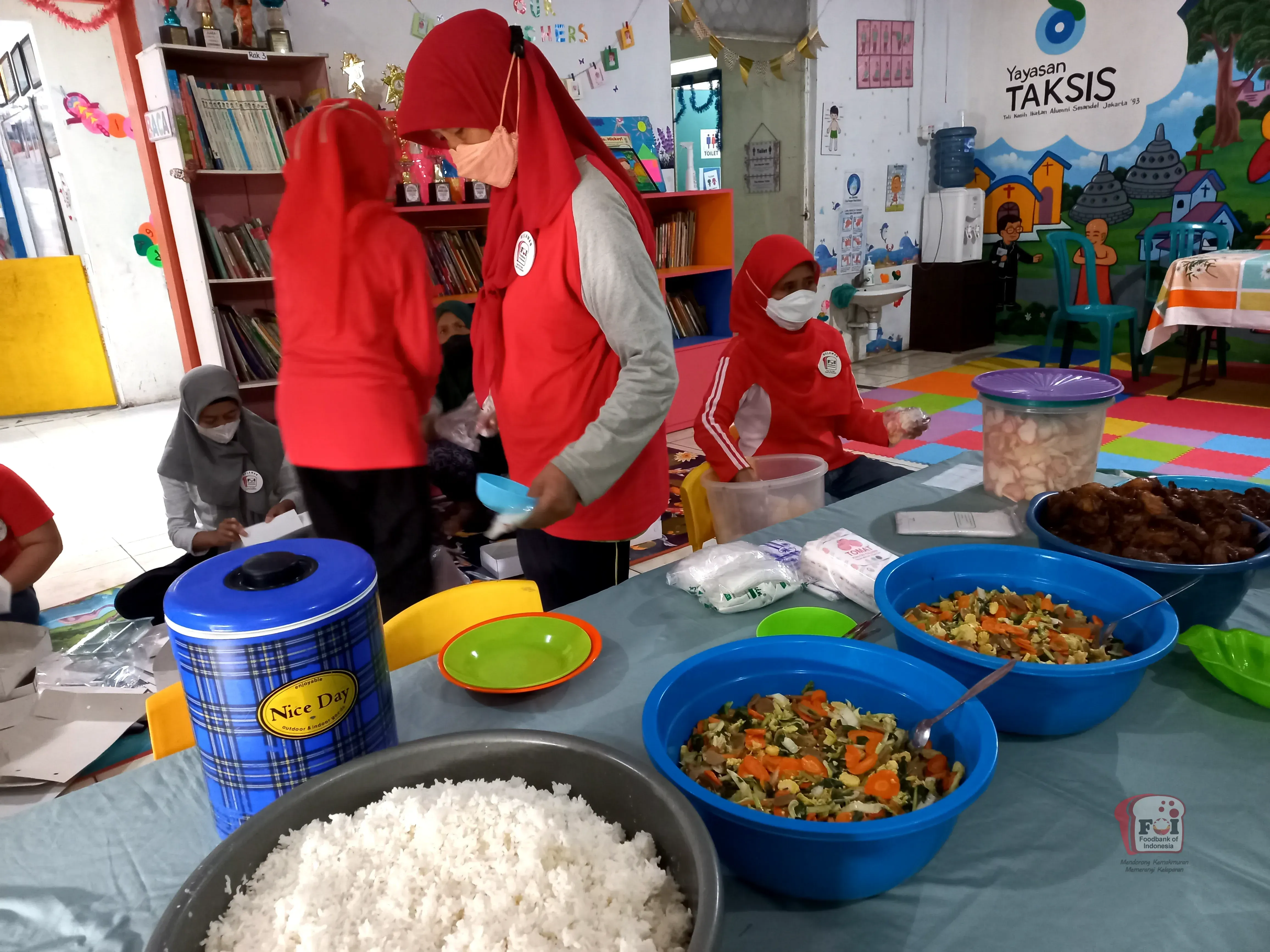
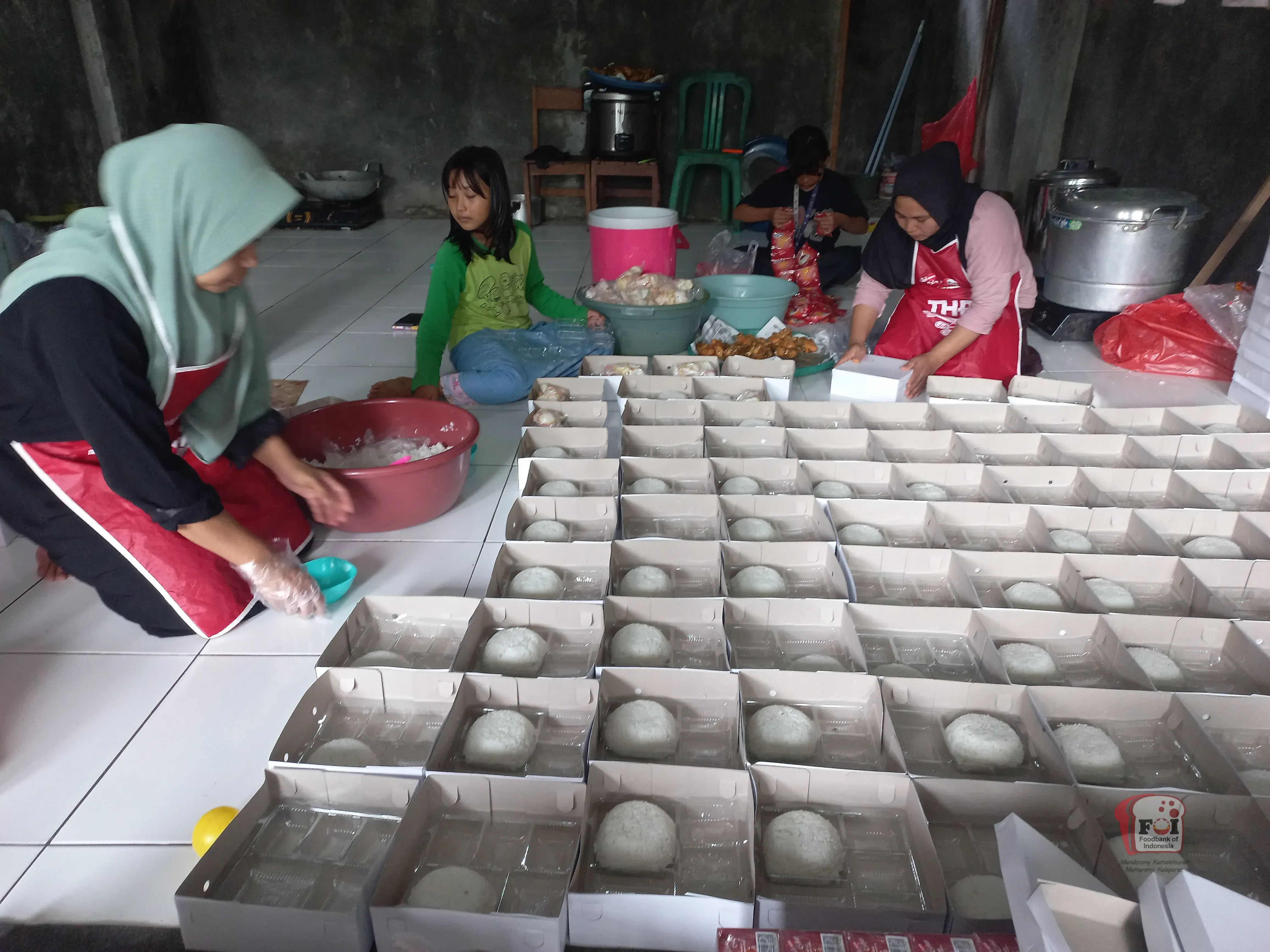
FOI has empowered more than 300 kitchens across 40 cities and regencies.
Thousands of families struggle to meet their daily needs, fighting to ensure they can feed themselves and their loved ones. Challenges caused by poverty and unsustainable food access are compounded by shifting food preferences, as people consume less healthy food made from local ingredients. This is driven by a lack of knowledge about the availability and benefits of local food, a growing tendency to buy food rather than prepare it locally, and increasingly uniform tastes that make authentic Indonesian flavours feel foreign to today's generation.
Foodbank Indonesia recognises the urgency of reviving local food and its cultural significance through community and kitchen. By drawing on local food sourced from surrounding communities, people are encouraged to understand the origins of the food we eat and to revive the richness of Indonesia's food culture. Dapur Pangan Foodbank Indonesia (DPF) invites mothers, women, teenagers, young adults, and Indonesian society to rediscover the wealth of local foods and spices that have been lost and forgotten, through interconnected cooking and gardening activities.
DPF provides ready-to-eat meals for vulnerable communities, including children, the elderly, expectant mothers, breastfeeding mothers, and informal-sector workers. The program adopts a community-based approach to rescuing and distributing food. DPF uses surplus food from retail partners, food producers, and local communities to redistribute to those in need, then processes it into ready-to-eat meals in community kitchens. Volunteers play a key role in preparing and distributing meals through mosques, schools, and other community networks identified as primary beneficiaries. In emergencies, DPF also sets up emergency kitchens for disaster-affected areas.
KEPAK — women-led natural farming
Community Food Garden
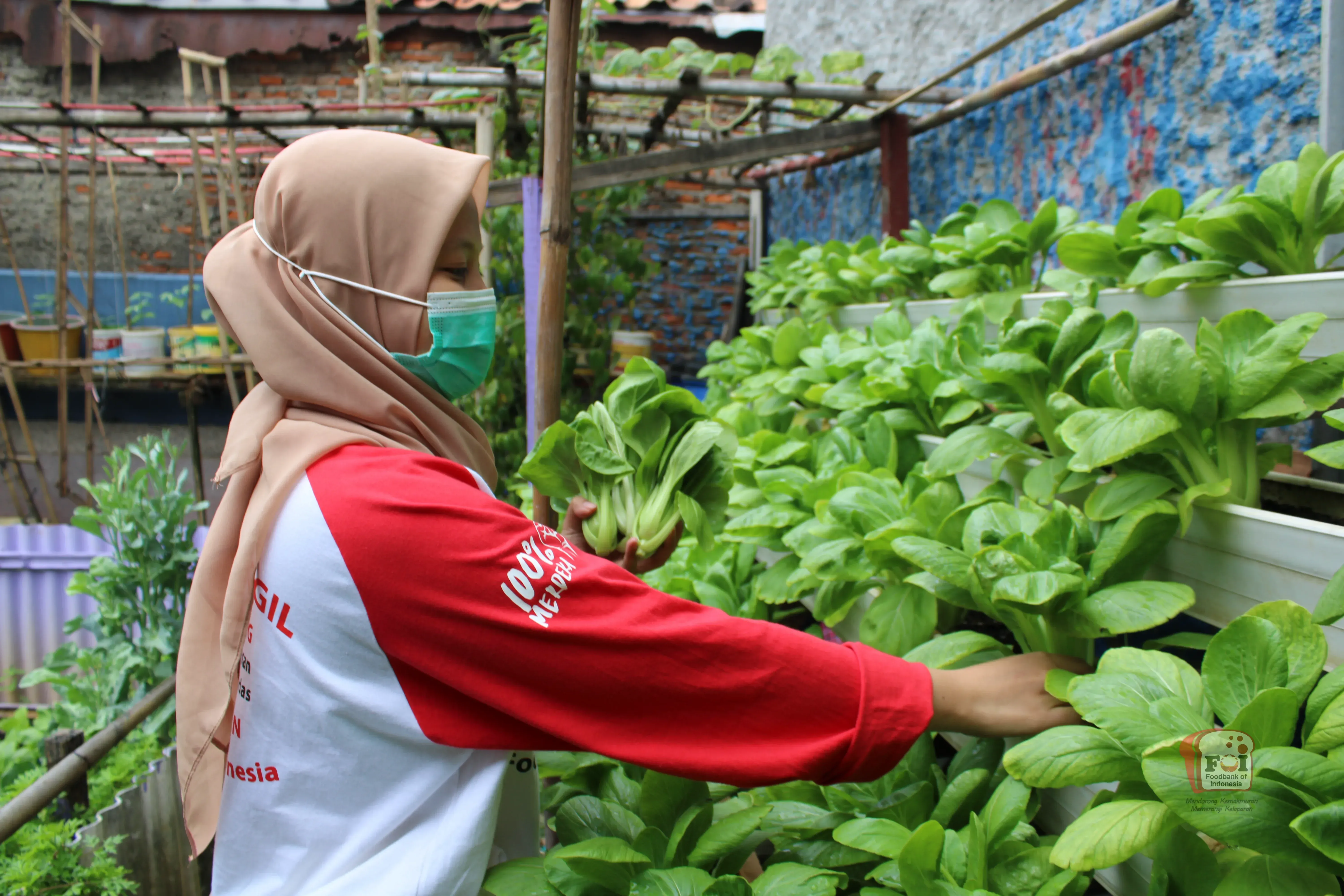
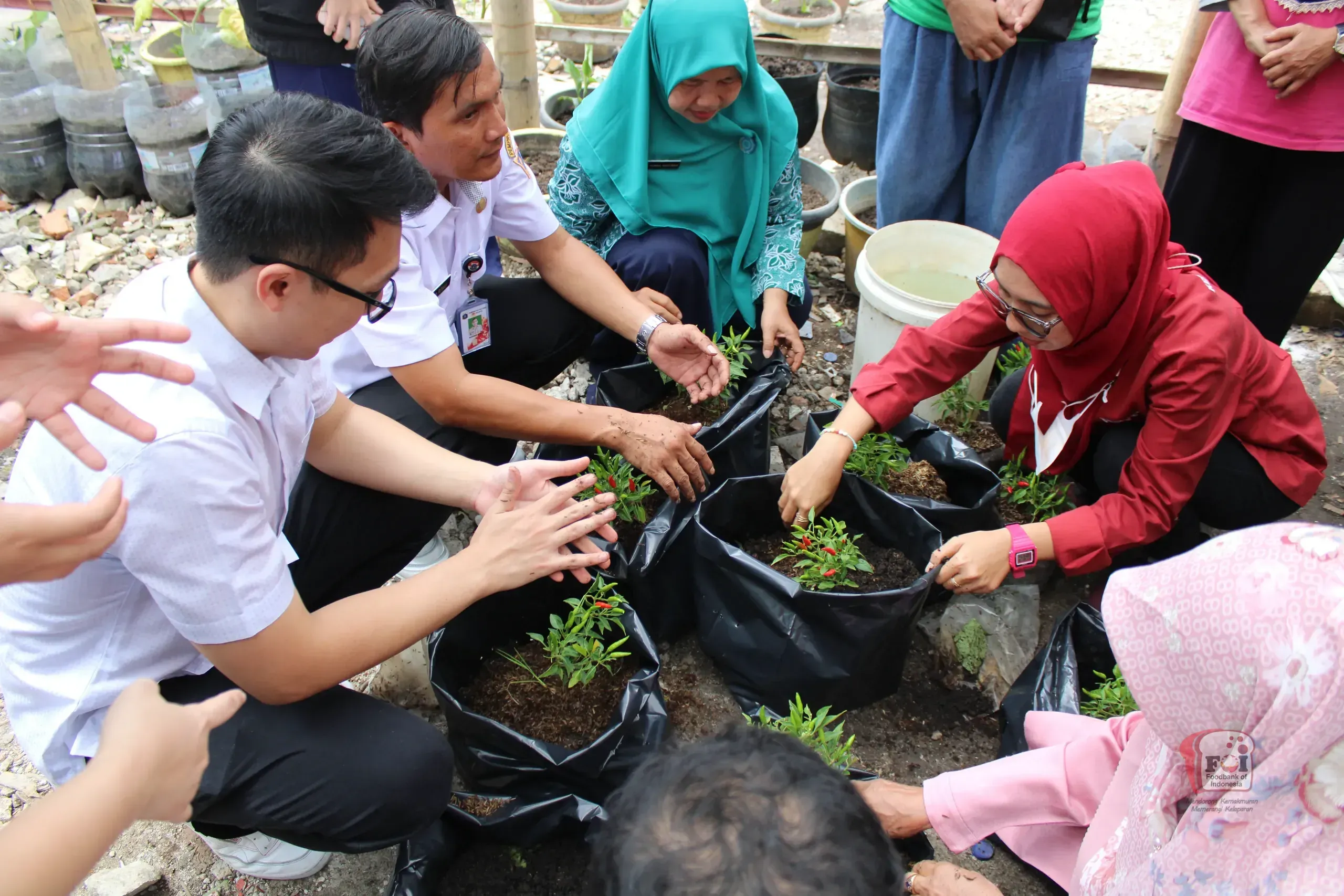
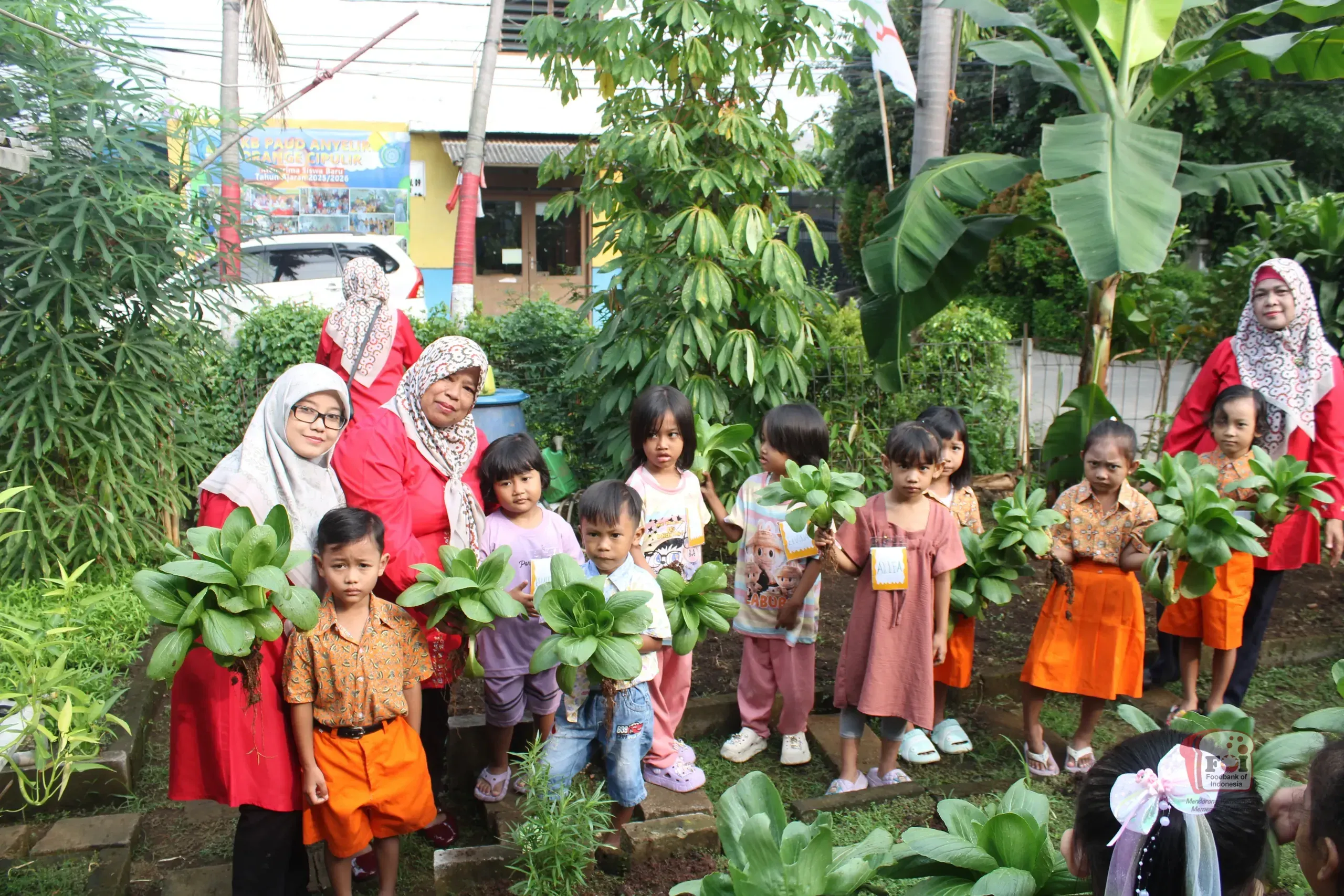
KEPAK manages 5 active gardens from village to city (2 communities, 3 schools) and has mentored farmers in Bogor in natural farming practices since 2020.
Communities at risk of food insecurity suffer from a broken connection with their food sources. Dependence on externally sourced food and buying only from unsustainable markets leaves communities vulnerable in times of hunger or natural disaster. The need to build natural, self-reliant food sources for communities has become more important than ever.
To address this urgency, FOI launched a women-led initiative to grow local food through KEPAK (Kebun Pangan Komunitas), bringing communities closer to sustainable food sources. The effort aims to empower women, improve access to food, and nurture a sense of shared responsibility in the local environment. With communal food sources, KEPAK helps families meet their food needs toward community food resilience. Through its work, KEPAK fosters a sense of family and reciprocal cooperation while providing an educational tool to broaden knowledge of local food. Learning from our ancestors, KEPAK preserves native seeds from the local area, safeguarding the availability of food that grows best there.
Building on the success of this initiative, FOI continued its collaboration with KEPAK through 2024, helping communities achieve food resilience with a strong spirit of cooperation. FOI supports women in transforming the open land around their homes into fertile gardens, enabling them to grow food that is then processed in the Food Kitchen to provide nutritious meals for children and the elderly in their communities.
A social system toward community food resilience
Kampung Merdeka
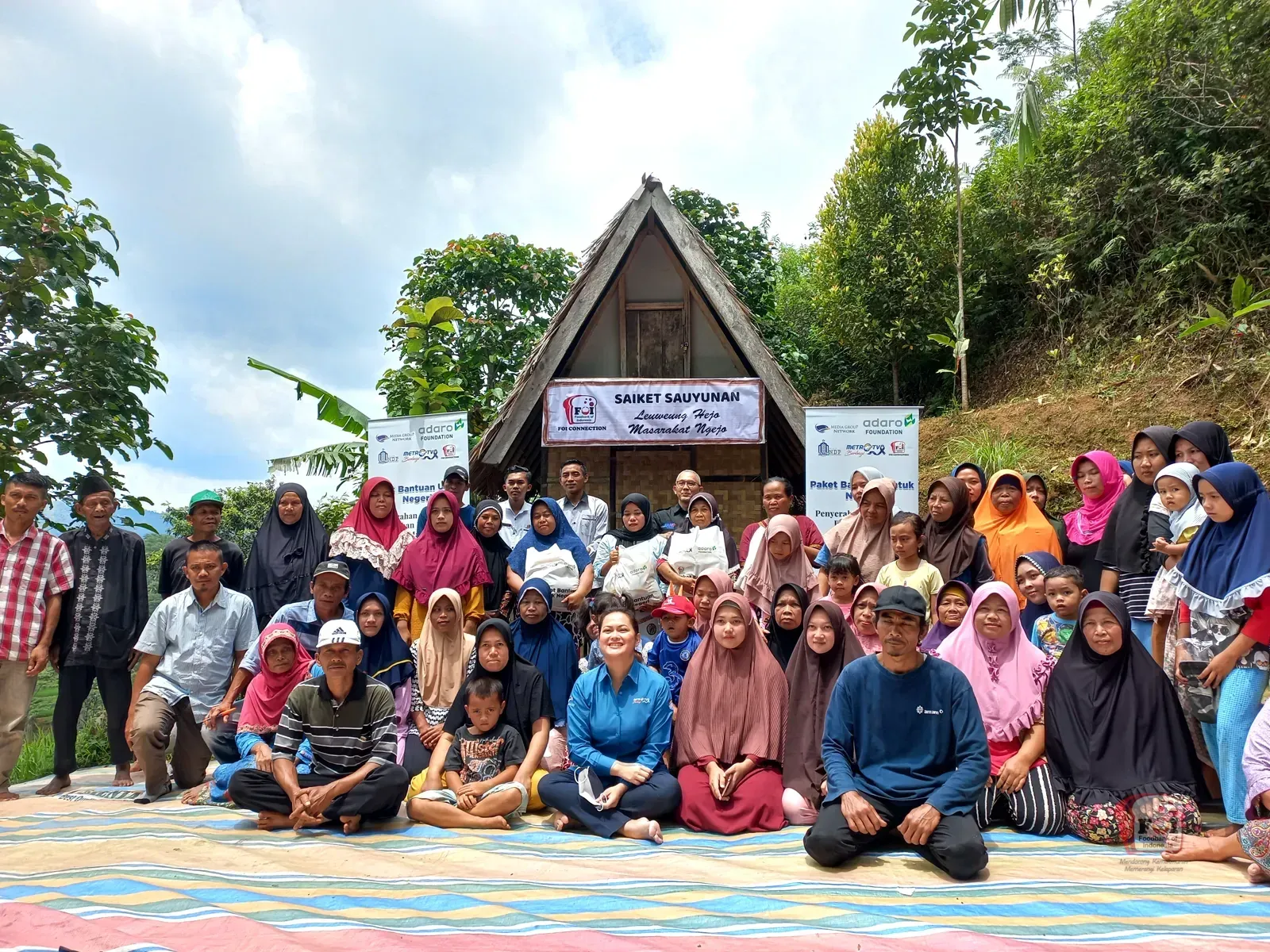
Kampung Merdeka is a framework of social systems within a community to achieve food resilience by integrating the production, processing, and distribution of food, especially for vulnerable groups (children, the elderly, and informal workers).
- 01
Community Food Garden
KEPAK focuses on the production and development of diverse, sustainable local crops. It encourages natural food production and brings families closer to varied local food sources, inviting farmers to revive the customs and culture surrounding the crops and harvests inherited from our ancestors.
- 02
Community Food Granary
As a heritage passed down through generations, the food granary reflects our ancestors' wisdom in managing natural resources sustainably. Granaries are used to store food resources for the lean season and to provide a reserve supply for emergencies such as illness and natural disaster.
Kampung Merdeka centres on the community granary as an expression of social solidarity. By storing harvests in the granary for shared needs, communities can anticipate food shortages caused by lean seasons or disasters, while reducing dependence on external supplies to safeguard food resilience.
- 03
Social Mutual Cooperation
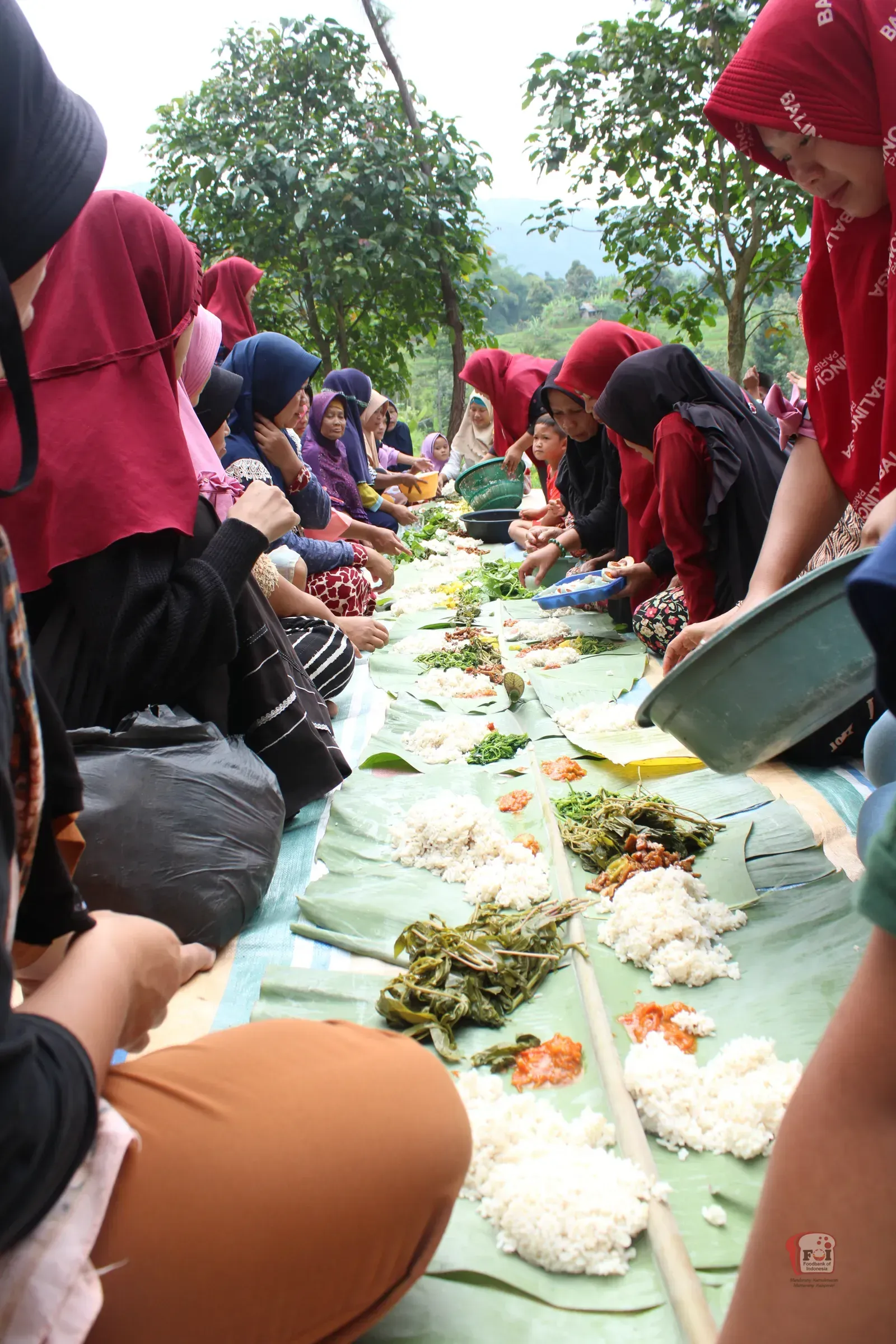
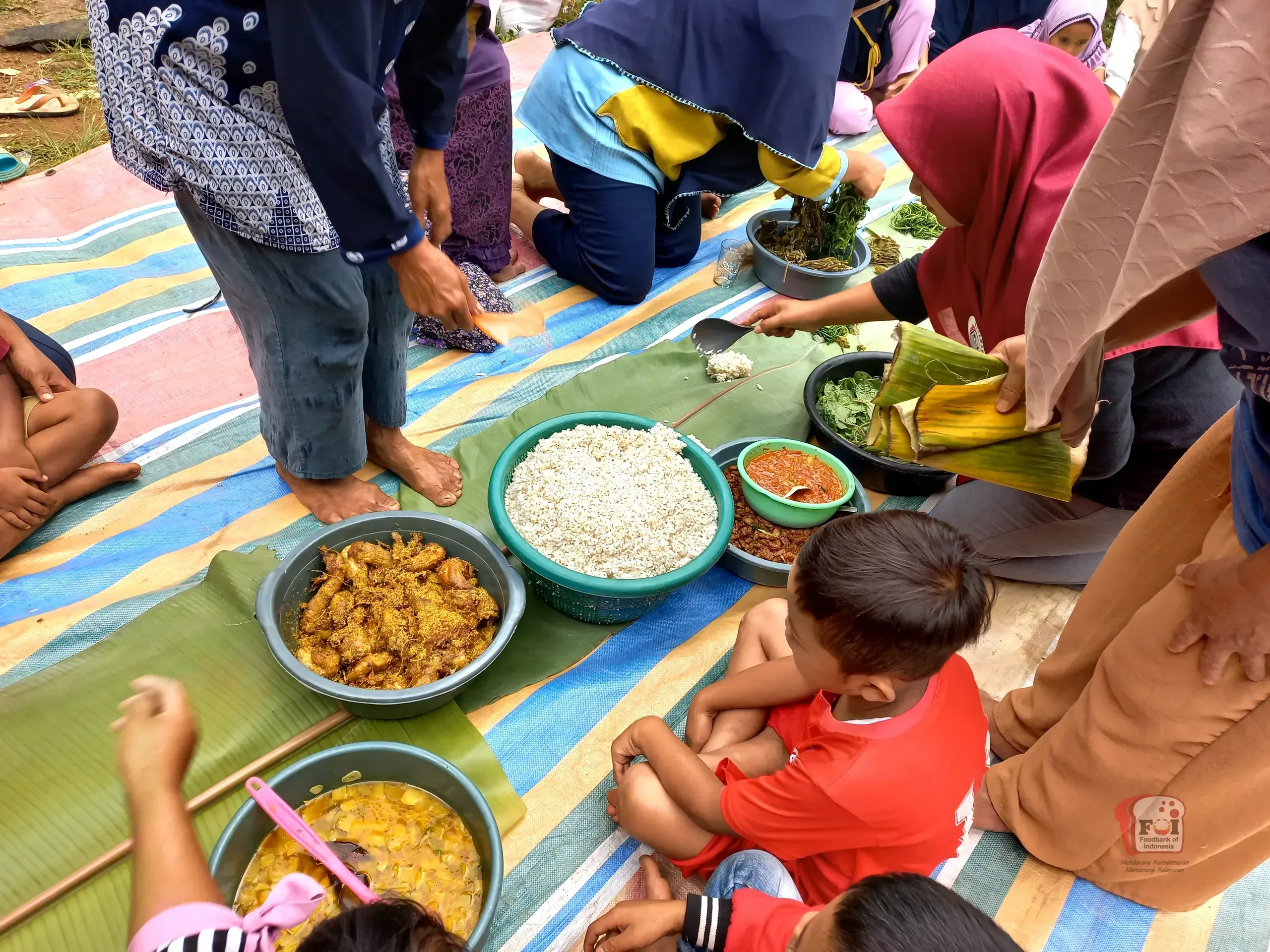
The food gathered in the granary is set aside for shared needs. Kampung Merdeka revives ceremonies and customary traditions in honour of nature, celebrated by enjoying food from the granary together. Food processing preserves the culture of cooking with local food and spices, involving families, mothers, and the local community. Community kitchens also mobilise to distribute food from the granary as an expression of care for one another and to help those in need.
Food justice in the joy of the holiday season
Qurban Hingga Pelosok
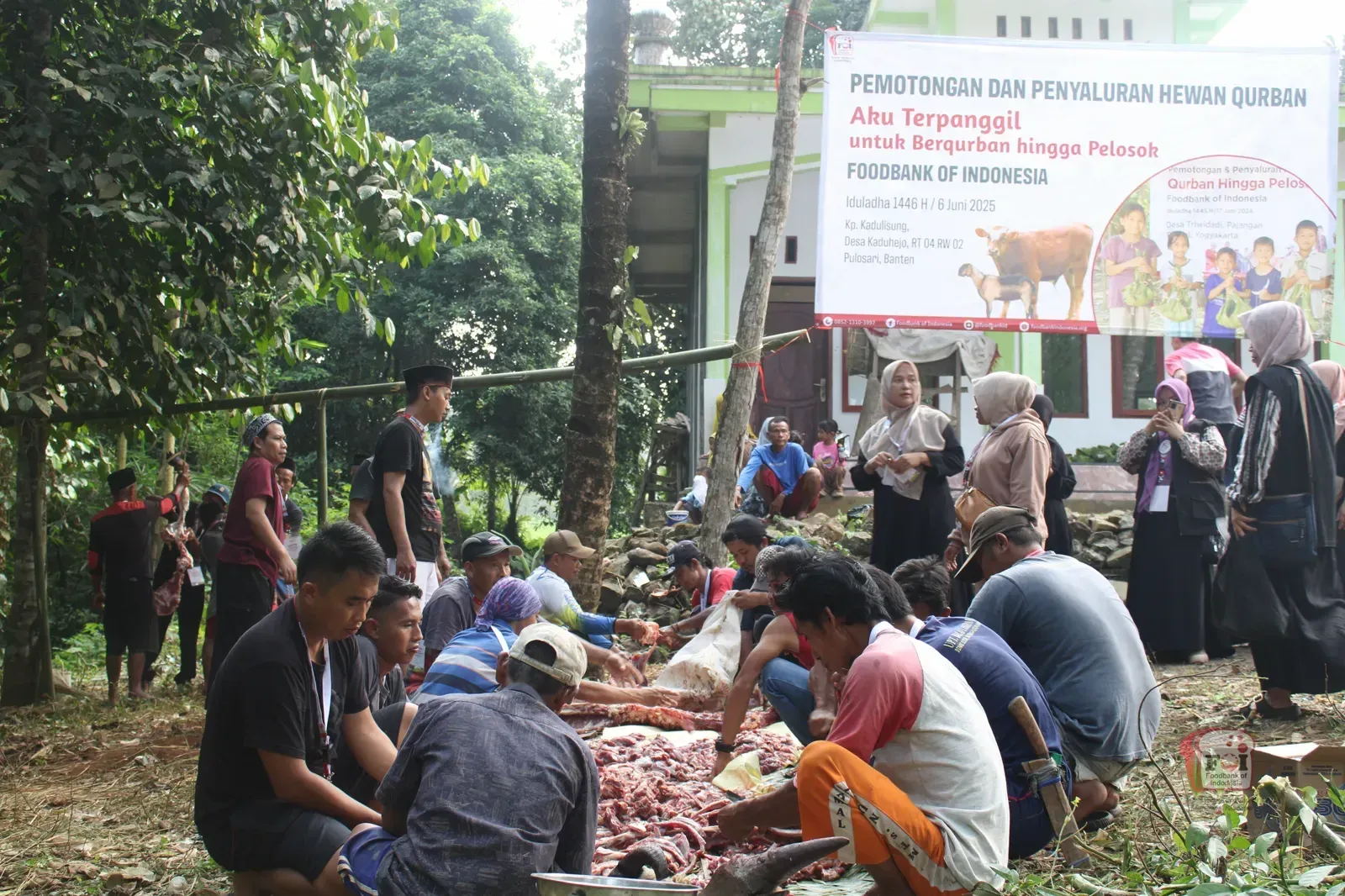
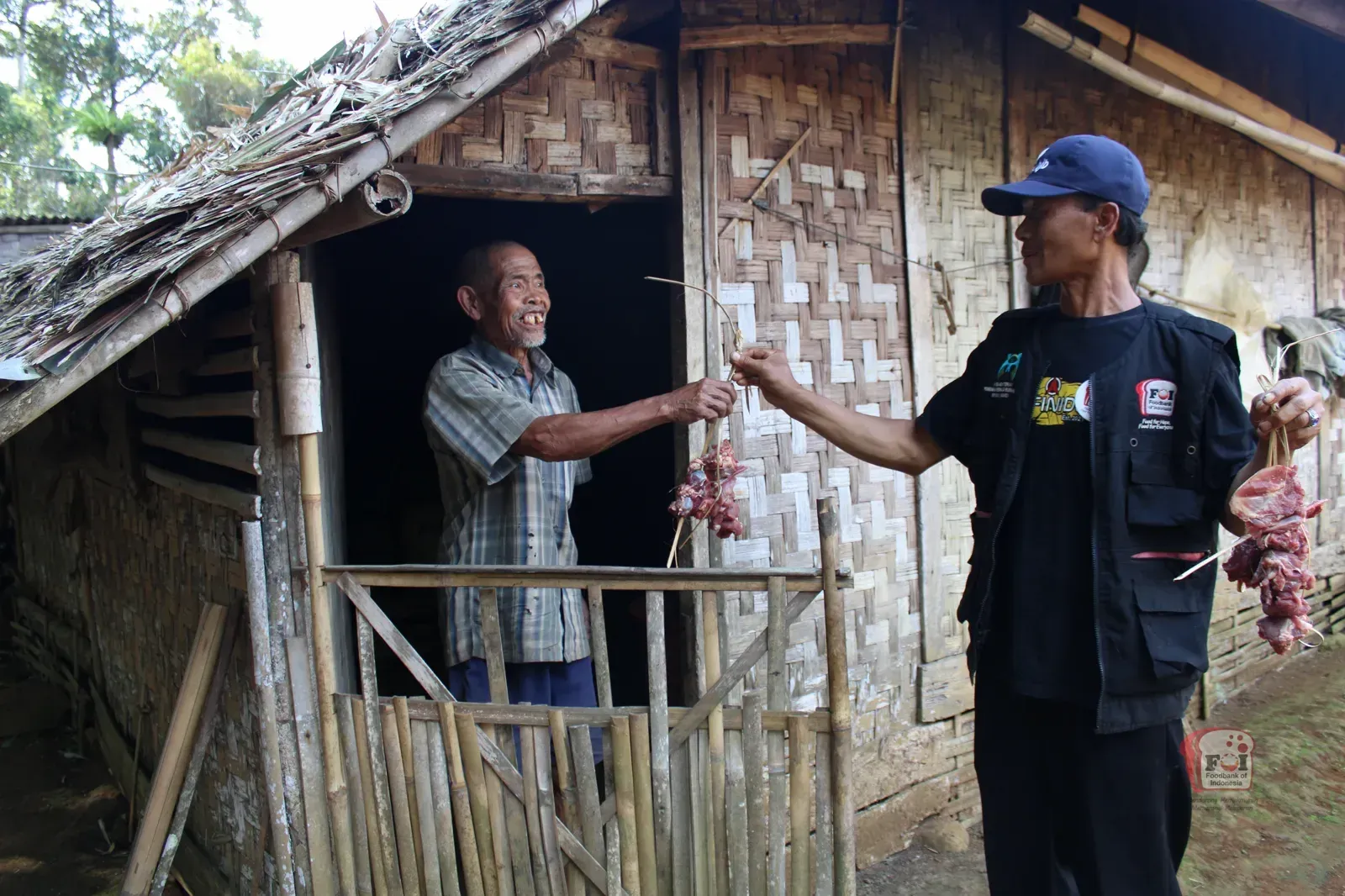
Since 2015, Foodbank of Indonesia has distributed qurban (sacrificial) meat to remote areas, reviving the spirit of mutual cooperation and local wisdom amid the festivity of the holiday.
- 01
Driving Food Justice
Qurban Hingga Pelosok drives a more even distribution of qurban — usually concentrated in densely populated urban areas — by prioritising remote areas in need, especially the most outlying and isolated settlements that rarely have the chance to eat meat.
- 02
Building a Circular Economy
Qurban Hingga Pelosok channels sacrificial animals from local farmers to villagers. The animals are delivered directly from community to community, so that farmers are empowered and villagers feel the benefit.
- 03
Reviving Local Wisdom
Qurban Hingga Pelosok preserves local wisdom through processing and distribution that follow local customs. Slaughtering and butchering are carried out cooperatively by residents. The qurban meat is prepared into distinctive local cuisine with the touch of local food and spices, and villagers strengthen their bonds by enjoying the holiday meal together.
RED — Child-Friendly Disaster Kitchen
Response to Emergency and Disaster
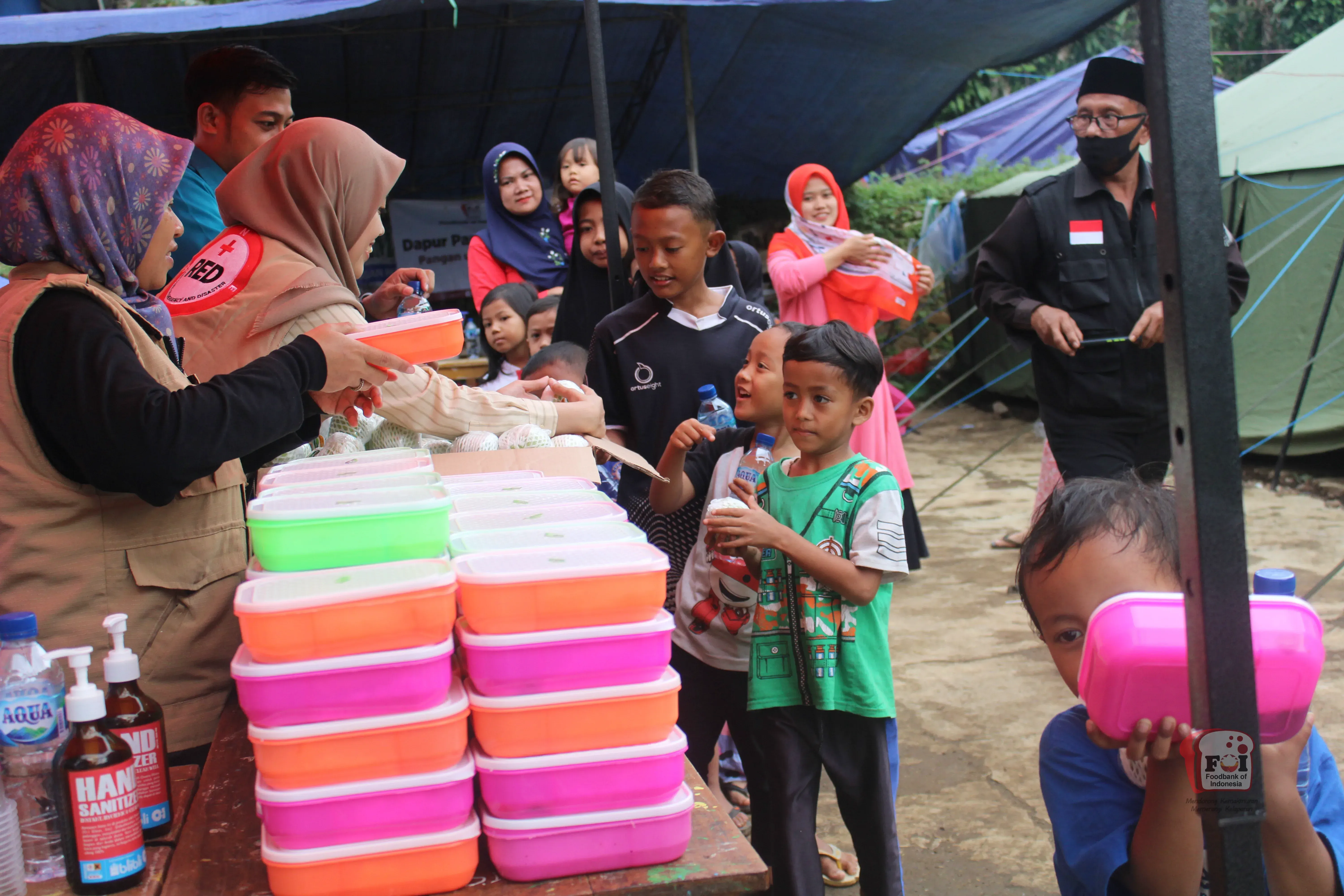
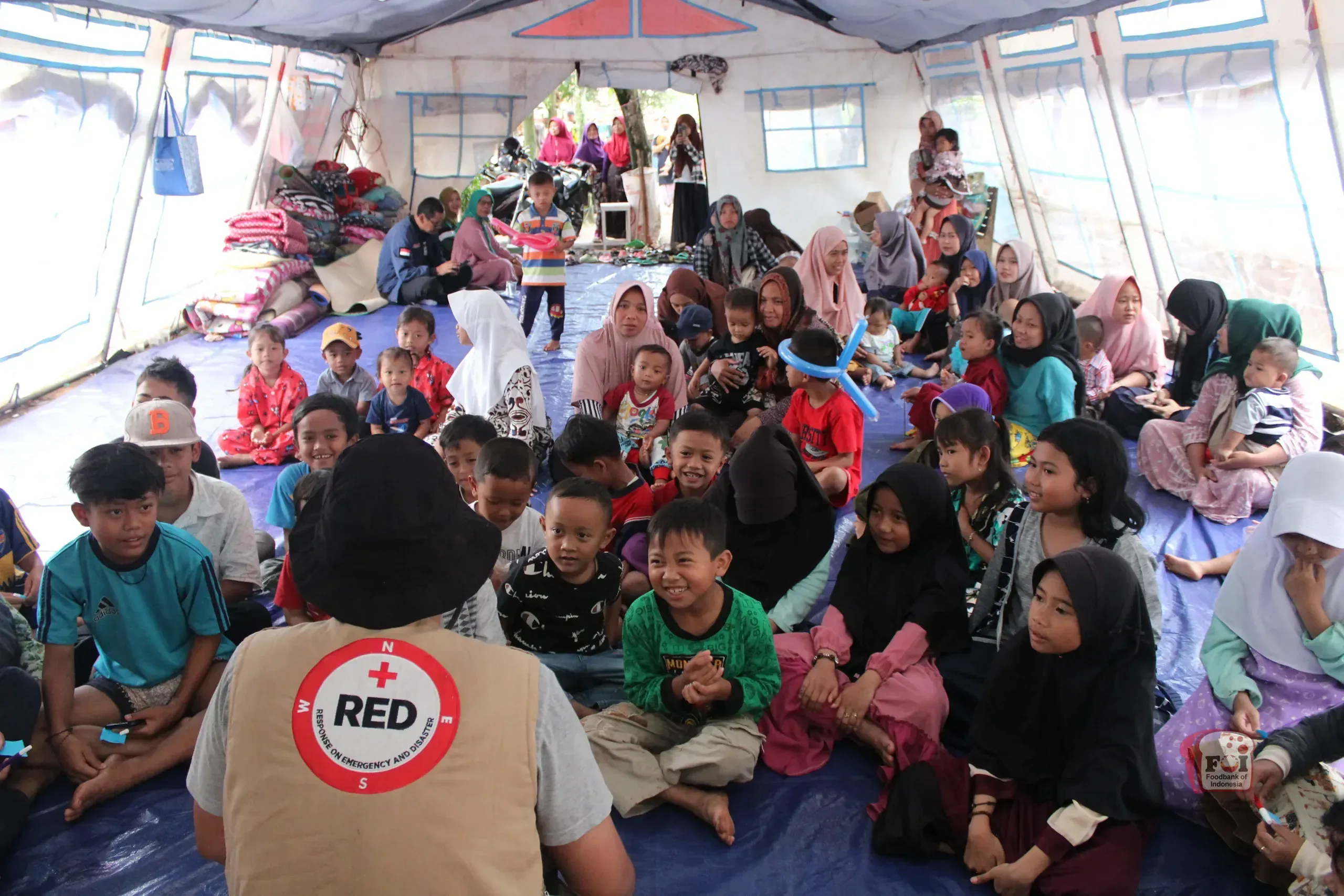
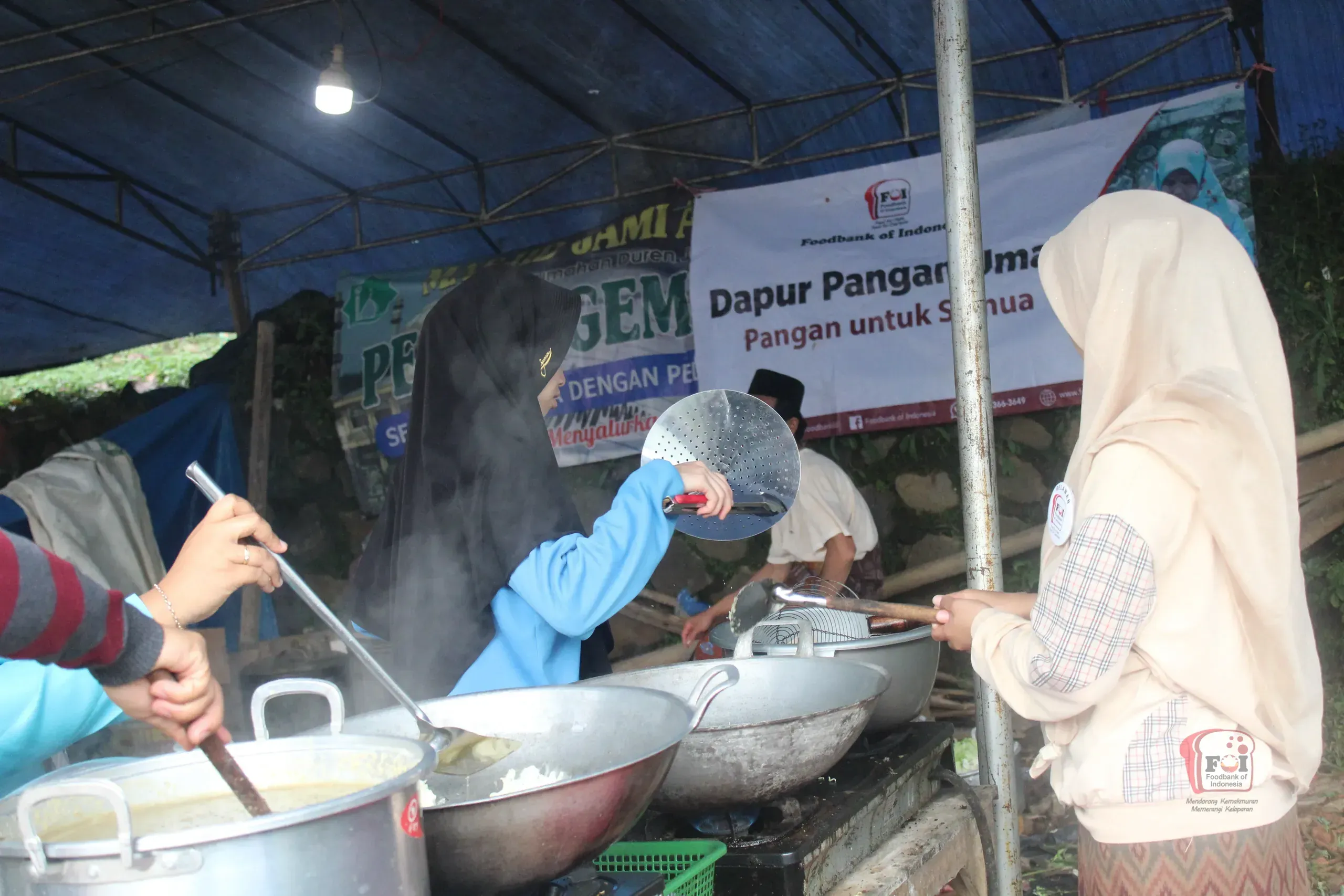
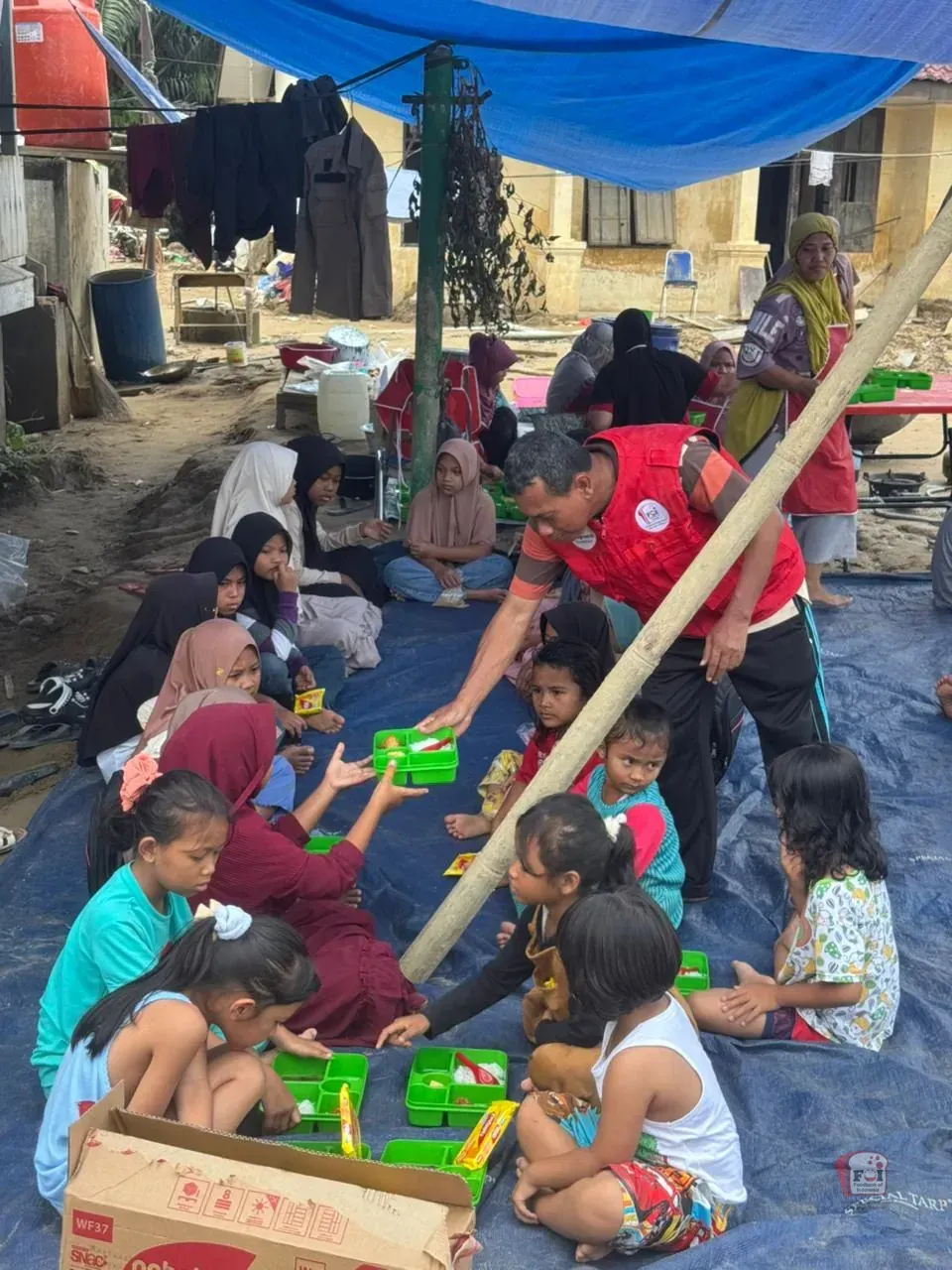
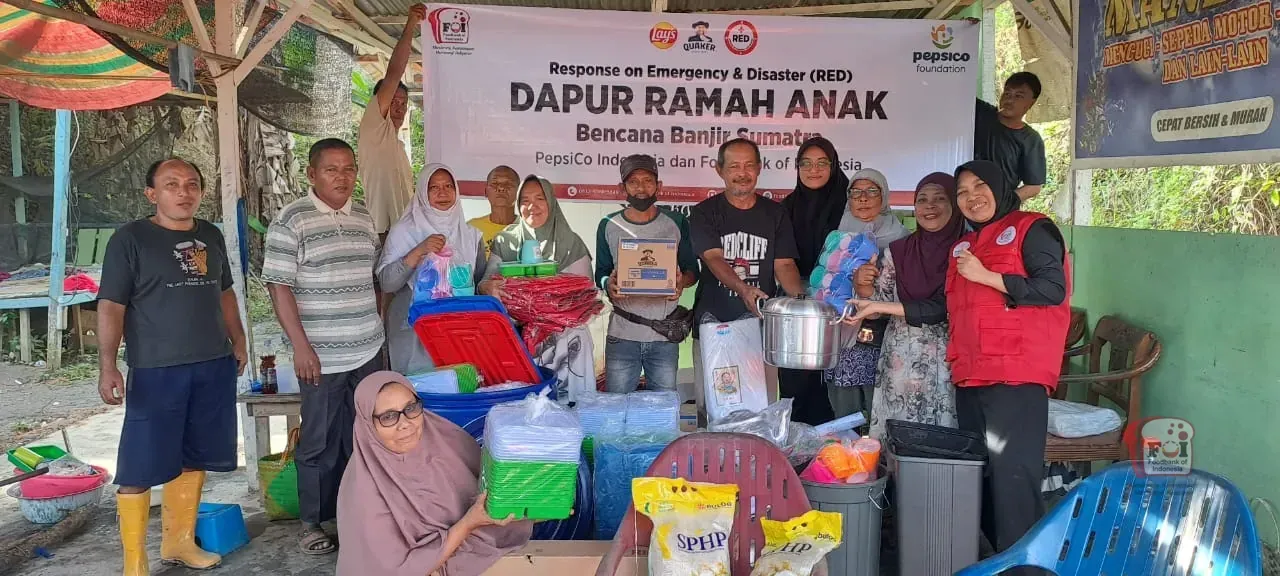
After a disaster subsides, affected children remain trapped in vulnerable conditions. Even once the threat to life has passed, they still face the loss of shelter, routine, a sense of safety, and access to nutritious food. In these situations, the kitchen also becomes a space of protection and early recovery.
Through Response on Emergency and Disaster (RED), Foodbank of Indonesia provides Child-Friendly Disaster Kitchens to ensure that children, the elderly, and expectant and breastfeeding mothers continue to receive warm, safe, and nutritious meals regularly throughout the disaster emergency and into post-disaster recovery.
These kitchens are run together with the community and local volunteers, offering simple, comforting meals while creating a safer, friendlier space for children to once again feel cared for.
Beyond food interventions, RED also distributes household supplies including toiletries, blankets, lighting, diapers, and basic kitchen equipment to support the recovery of daily activities and strengthen the food resilience of affected communities.